Choosing Lightweight Metal Roof Tiles for Your Project

application/lightweight-metal-roof-tiles, application/lightweight-metal-roof-tiles, 
Inquiry
Inquiry

lightweight metal roof tiles

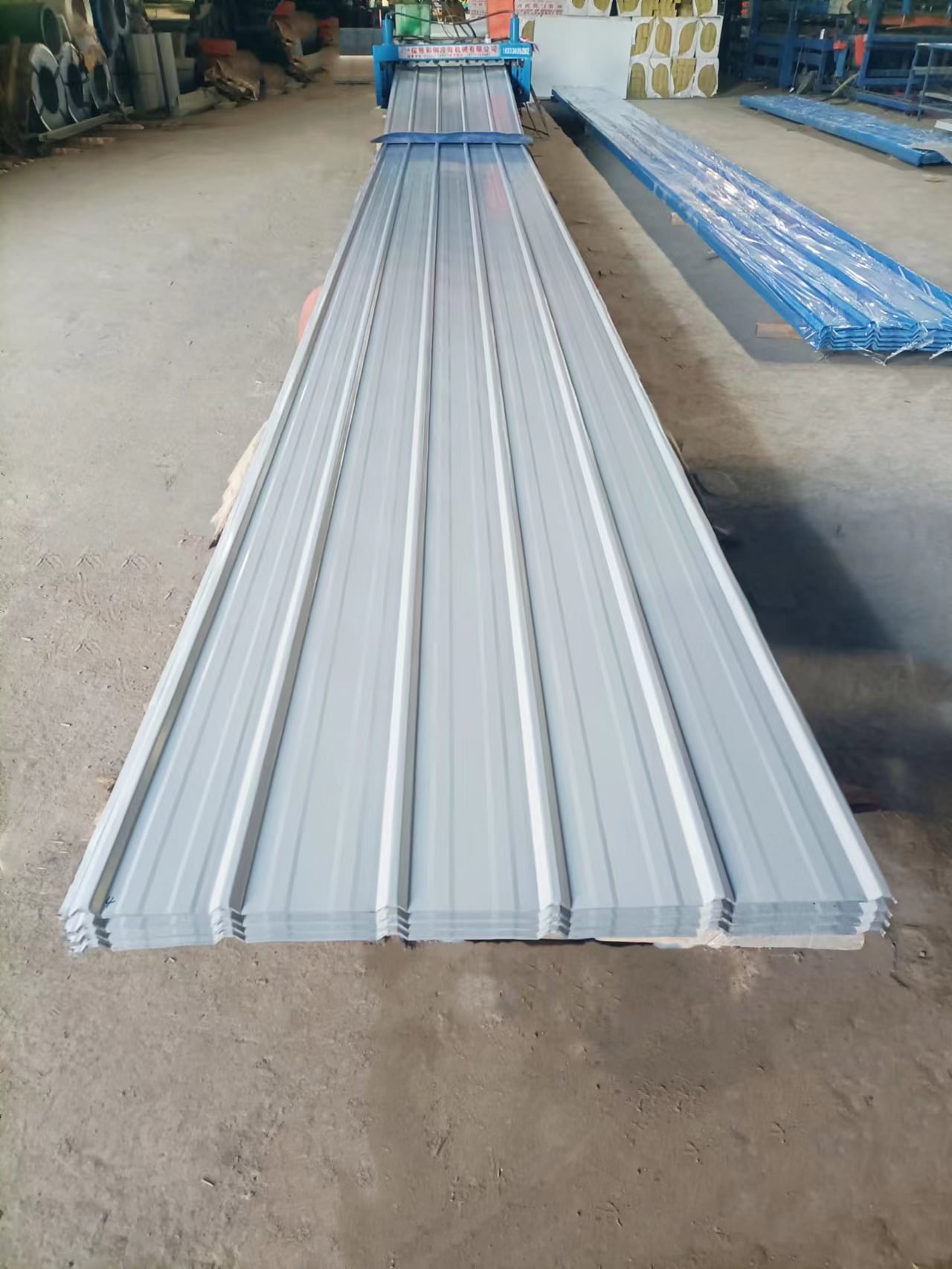
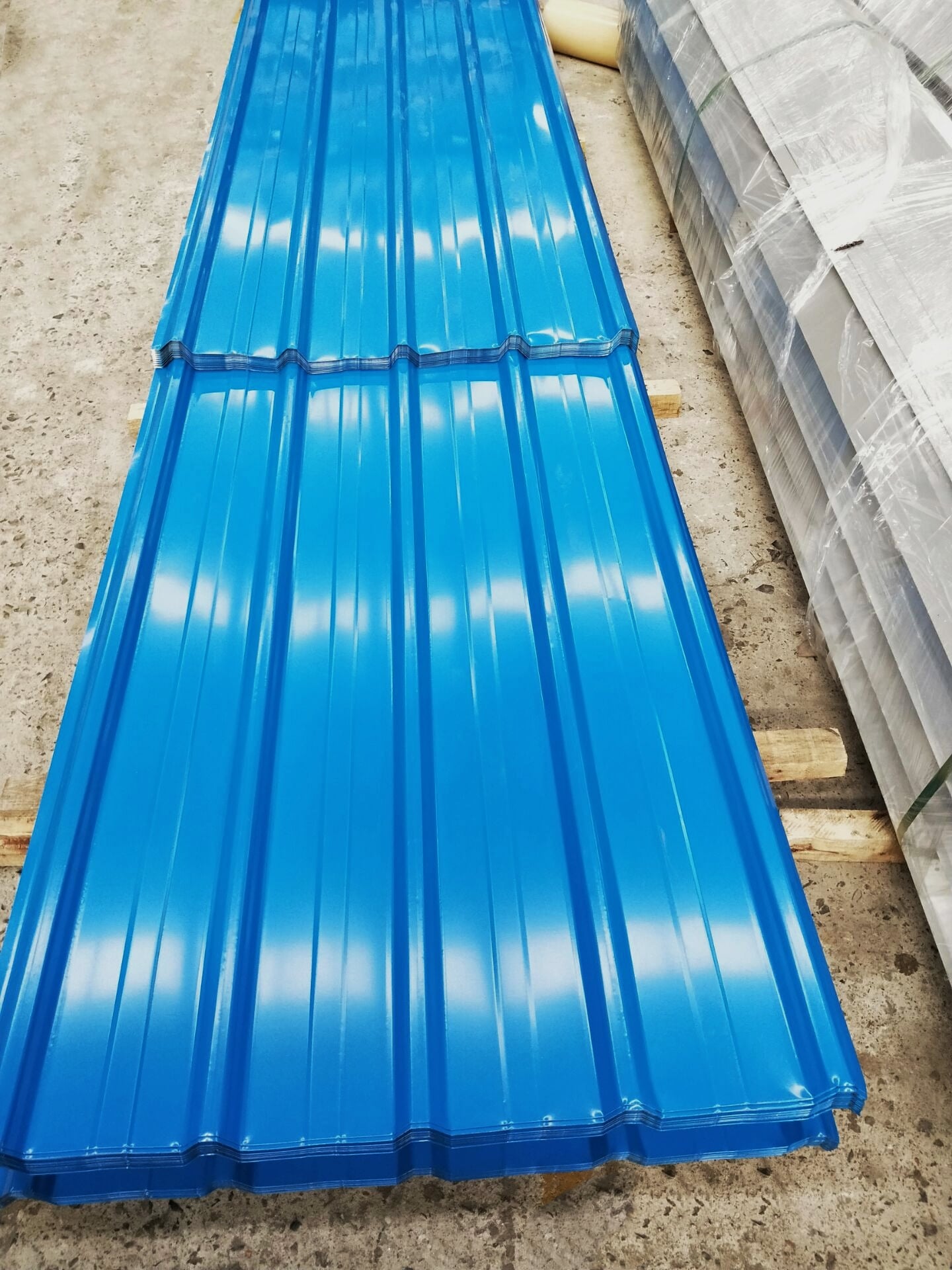
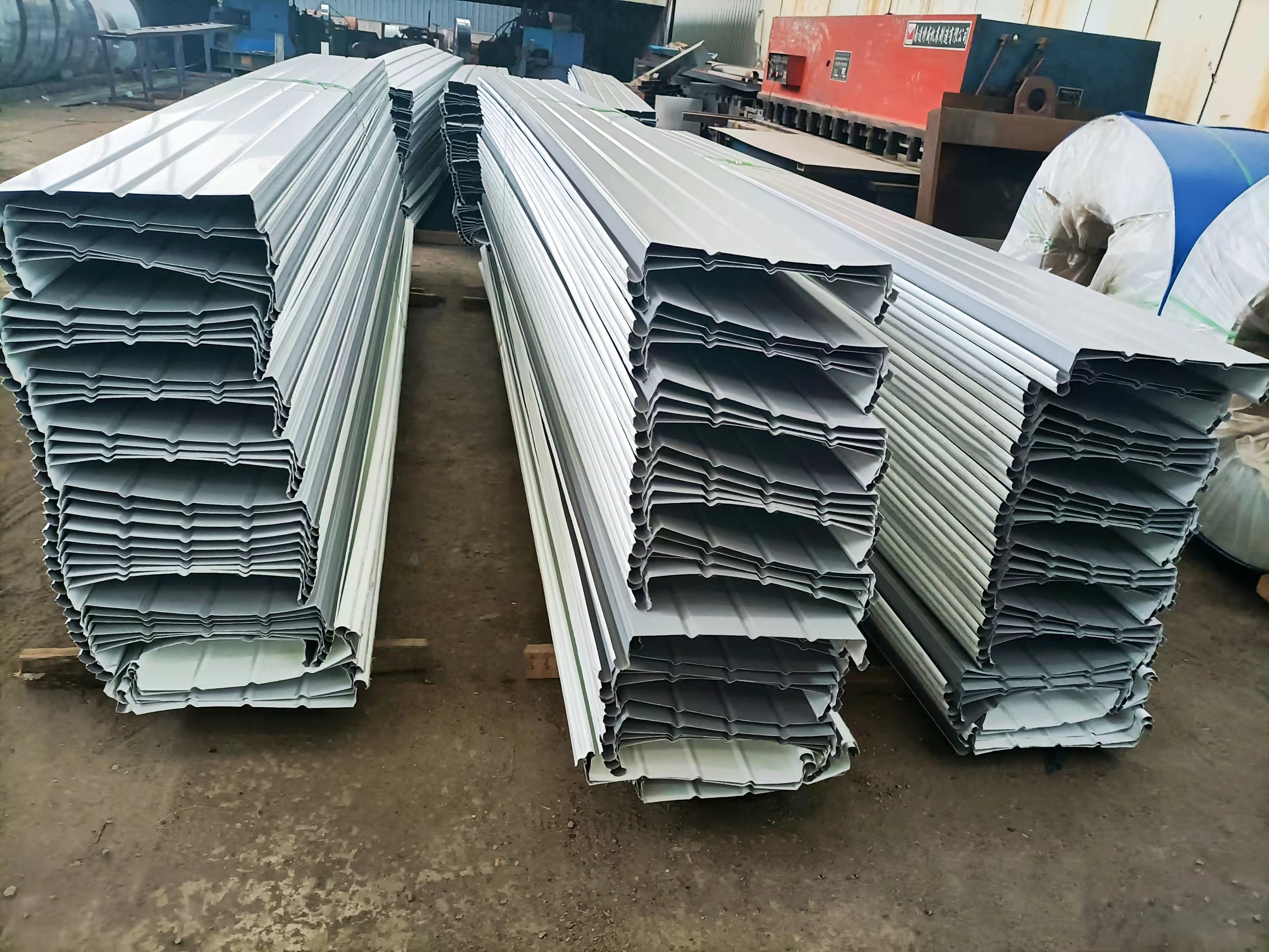
Lightweight metal roof tiles are increasingly popular among construction professionals and project managers for their durability, ease of installation, and aesthetic appeal. As a B2B buyer, you may be concerned about factors such as material quality, cost-effectiveness, and suitability for specific applications. This article aims to provide you with critical insights into selecting the right lightweight metal roof tiles, ensuring quality and proper installation, and addressing common challenges that may arise during their use.


Why choose Xingyuanxing lightweight metal roof tiles

Our Products

What to Consider When Choosing Lightweight Metal Roof Tiles?

When selecting lightweight metal roof tiles, several key factors should be taken into account:

Material Composition: Lightweight metal roof tiles are typically made from aluminum, steel, or zinc alloy. Each material offers unique benefits; for instance, aluminum is corrosion-resistant, while steel provides strength and durability. Consider the environmental conditions of your project site when choosing a material. For example, Corrosion-Resistant Hot-Dip Galvanized Round Tube Q235B For Greenhouse Bracing can be an excellent choice for projects exposed to harsh weather conditions.


Thickness and Weight: The thickness of the tiles affects their durability and load-bearing capacity. Standard thickness ranges from 0.5 mm to 1.5 mm. A heavier tile may offer better durability but could also increase installation complexity. Ensure that the chosen thickness suits the structural requirements of your building.

Design and Finish: Lightweight metal roof tiles come in various designs and finishes, which can impact their aesthetic appeal and performance. Consider options like painted, coated, or textured surfaces that can enhance both visual appeal and resistance to weathering.

Compatibility with Existing Structures: Before making a selection, assess how the tiles will integrate with your existing roofing system, including underlayment and insulation. Proper compatibility is crucial for optimal performance and longevity.

Cost and Availability: Pricing can vary based on material, thickness, and design. Evaluate your budget and compare quotes from different suppliers, but also consider factors such as lead times and minimum order quantities (MOQ) to avoid unexpected delays.

Frequently Asked Questions

Our Blog Posts

What Our Partners Say

How to Evaluate the Quality of Lightweight Metal Roof Tiles?

How to Evaluate the Quality of Lightweight Metal Roof Tiles?

Evaluating the quality of lightweight metal roof tiles is essential to ensure you are making a sound investment. Here are some key indicators of quality:

Certification and Testing: Check for any industry certifications that the tiles may hold. Quality manufacturers often provide certificates that demonstrate compliance with relevant standards, such as ASTM or ISO. These certifications can assure you of the product's performance under various conditions.


Material Properties: Inspect the material specifications. Lightweight metal roof tiles should exhibit resistance to corrosion, impact, and extreme weather conditions. Request technical data sheets to understand performance characteristics such as tensile strength, flexibility, and thermal resistance.

Manufacturing Process: Understanding the manufacturing processes employed can give insights into product consistency and reliability. Look for suppliers that practice good quality control measures, such as regular inspections and testing throughout the production cycle.

Warranty and Support: A robust warranty can be an indicator of quality. Manufacturers that offer extensive warranties typically stand behind their products. Also, consider the level of customer support available for installation and maintenance inquiries.

Common Problems with Lightweight Metal Roof Tiles and Solutions

Common Problems with Lightweight Metal Roof Tiles and Solutions

Despite their many benefits, lightweight metal roof tiles can present certain challenges. Here are some common issues and their solutions:

Thermal Expansion: Metal can expand and contract with temperature fluctuations, potentially leading to warping or separation. To mitigate this, ensure appropriate installation techniques, such as allowing for expansion gaps and using flexible sealants.

Corrosion: While many metal tiles are treated for corrosion resistance, exposure to harsh chemicals or high humidity can still lead to deterioration. Regular inspections and maintenance, including cleaning and applying protective coatings, can help prolong the lifespan of the tiles. Consider using Hot-dip galvanized angle bracket roof color steel tile support and fixed bracket to enhance durability.

Installation Errors: Improper installation can lead to leaks or structural issues. It is crucial to follow manufacturer guidelines and ensure that installers are experienced with lightweight metal roofing systems. Providing clear technical drawings and specifications can help avoid misunderstandings during installation.

Noise and Vibration: During heavy rain or hail, metal roofs can create noise that may be undesirable for occupants. To address this, consider incorporating sound-dampening materials into the roofing structure or opting for tiles designed to minimize noise.

Applications of Lightweight Metal Roof Tiles in Various Projects

Applications of Lightweight Metal Roof Tiles in Various Projects

Lightweight metal roof tiles are versatile and can be used in a wide range of applications, including:

Residential Buildings: Their aesthetic appeal and durability make them ideal for homes, particularly in areas prone to extreme weather. Options such as color finishes allow homeowners to customize the appearance to fit their style.

Commercial Structures: Lightweight metal roof tiles are often used in commercial buildings, including offices and retail spaces. Their longevity and low maintenance requirements can contribute to lower lifecycle costs.

Industrial Facilities: These tiles are suitable for industrial applications where resilience is critical. Their ability to withstand heavy loads and resist corrosion makes them well-suited for factories and warehouses.

Agricultural Buildings: In agricultural settings, lightweight metal roof tiles can protect livestock and equipment while offering ventilation solutions. Their lightweight nature makes them easy to install on various agricultural structures.

How to Ensure Proper Installation of Lightweight Metal Roof Tiles?

Proper installation is crucial for maximizing the performance and longevity of lightweight metal roof tiles. Here are some best practices:

Select Experienced Installers: Choose contractors with experience in installing metal roofing systems. Their familiarity with the nuances of lightweight materials can help prevent common installation errors.

Follow Manufacturer Guidelines: Always refer to the manufacturer’s installation instructions. These guidelines are tailored to the specific product and can help ensure that the roof performs as intended.

Use Appropriate Fasteners and Sealants: Selecting the right fasteners that are compatible with the tile material can prevent corrosion and ensure a secure attachment. Similarly, using recommended sealants can help maintain waterproofing.

Conduct Pre-Installation Checks: Before installation begins, ensure that the underlying structure is sound. Check for any signs of damage or decay in the decking or underlayment and address these issues prior to tile installation.

Post-Installation Inspection: After installation, carry out a thorough inspection to verify that all tiles are properly aligned and secured. This step can help catch any potential issues early on.


Lightweight metal roof tiles offer numerous advantages for various construction projects. By considering material options, evaluating quality, addressing common challenges, and ensuring proper installation, you can make informed decisions that lead to successful outcomes.