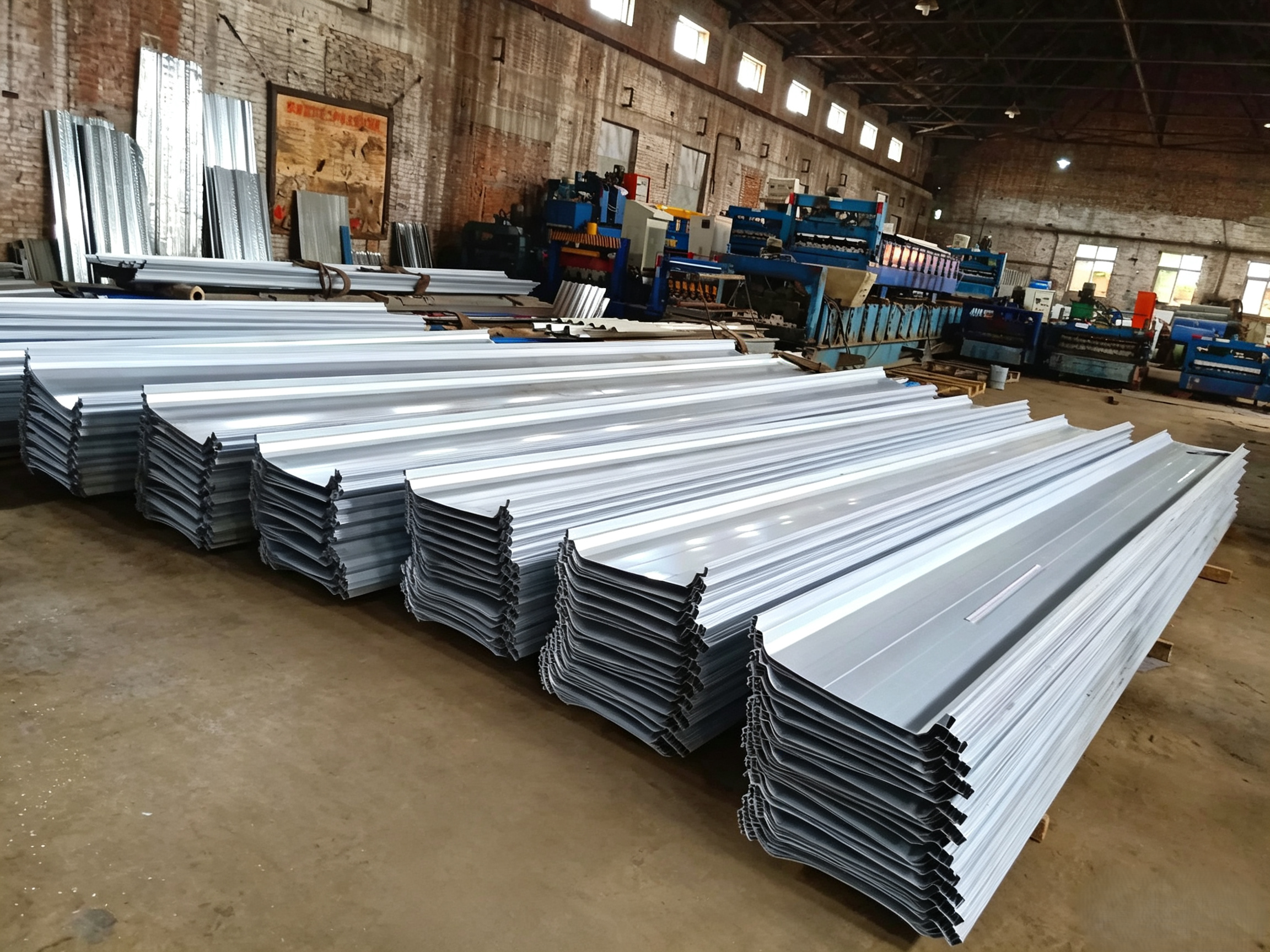
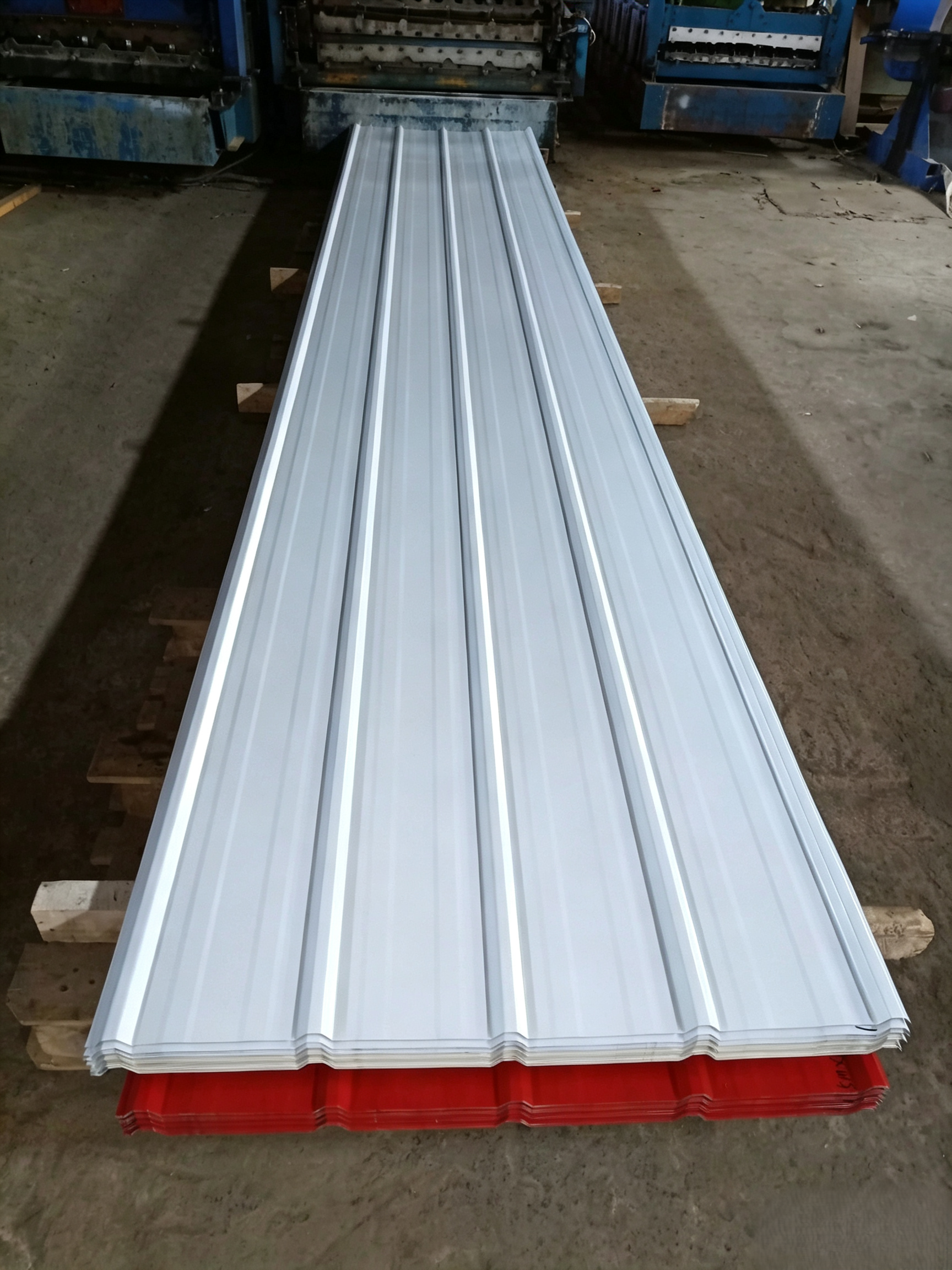
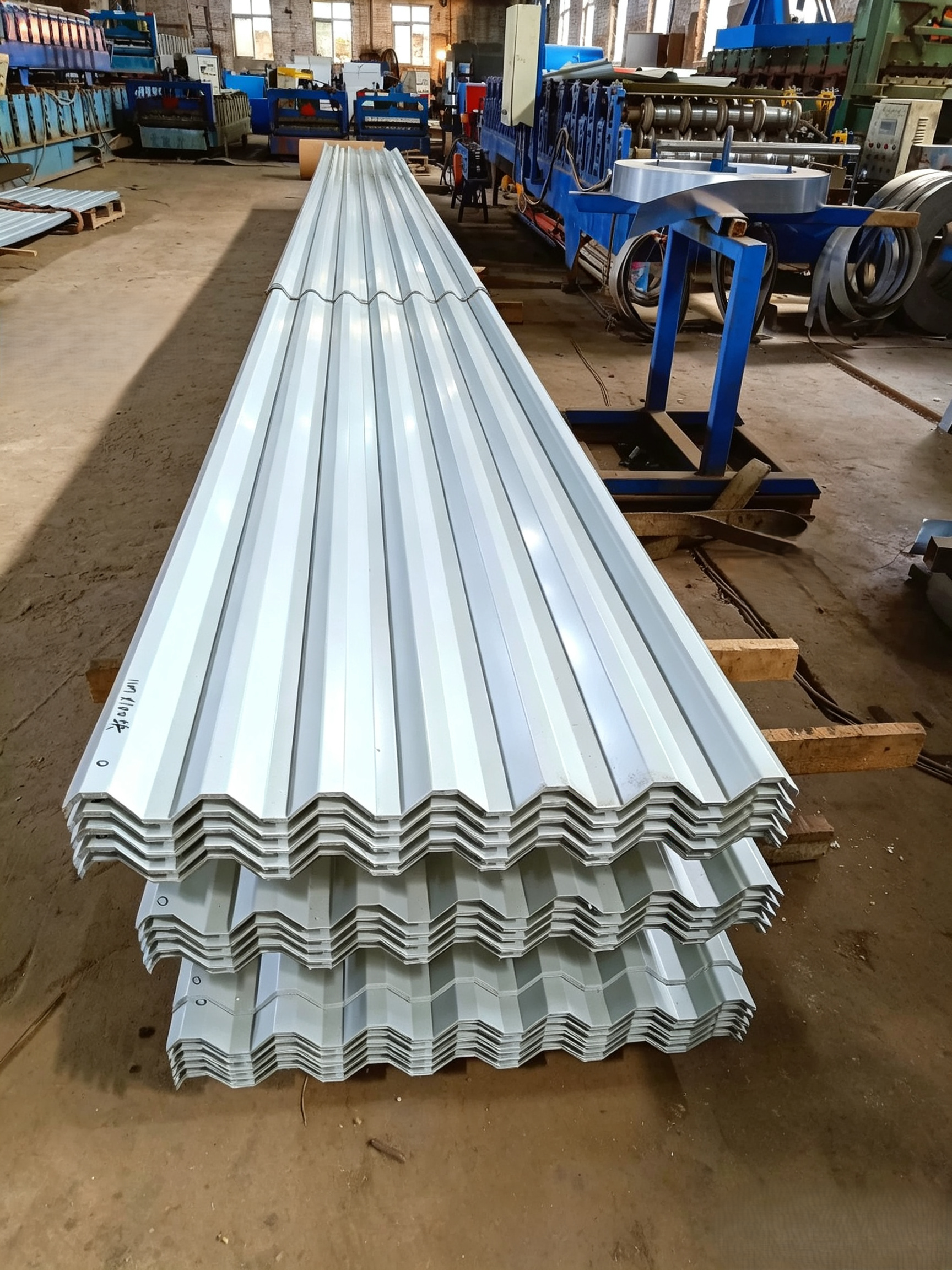
Key Specifications for Steel Roof Decking Solutions

application/steel-roof-decking, application/steel-roof-decking, 
Inquiry
Inquiry

steel roof decking

Steel  roof decking is a structural element used in commercial and industrial  buildings, providing  a strong and  durable surface for roofing systems. As a B2B  buyer, understanding the key specifications, cost  factors, and installation techniques  of steel roof decking  is  crucial to  ensure the  success  of  your projects.  This  article will address your concerns by offering  insights into comparing  options,  evaluating  costs,  and understanding installation guidance, ultimately aiding in making informed purchasing decisions.

Why choose Xingyuanxing steel roof decking

Our Products

Key Specifications for High-Quality Steel Roof Decking Products

When selecting steel roof decking, several specifications should be prioritized to ensure optimal performance. Key factors include material thickness, yield strength, span capability,  and surface  treatment.


Material Thickness: Common thicknesses range from 18 to 22 gauge. Thicker materials offer greater load-bearing capacity, making  them suitable for heavier roofing systems  or areas  with significant snow loads.


Yield  Strength: The yield strength, typically measured in pounds per square inch (PSI),  indicates how much load the decking can support before deforming. Products with higher yield strength are preferable for applications requiring enhanced structural integrity. For instance, High Tensile Strength Steel Tie Rod Q235B Carbon Structural Steel For Steel can enhance load-bearing capabilities.

Span Capability: The spacing of supporting structures affects the span capability of the decking. Understanding the maximum span between supports  ensures that the chosen decking system  meets building code  requirements and performance expectations.

Surface Treatment: Steel  roof  decking may come with protective coatings, such  as galvanized  or painted finishes, to resist corrosion. The  choice of surface treatment depends on environmental conditions and the  lifespan  expectations of the installation. For example, Galvanized Several-Shaped Steel Profiles 50*70mm For Greenhouse Frames are known for their corrosion resistance.


Evaluating these specifications not only improves structural performance but also impacts long-term maintenance and durability.

Frequently Asked Questions

Our Blog Posts

What Our Partners Say

How to Compare Steel Roof Decking Options for Your Projects

How to Compare Steel Roof Decking Options for Your Projects

When comparing steel roof decking options, consider  factors such as load requirements, installation methods, and available customization. Here's how to effectively evaluate your choices:

Load Requirements: Assess the specific load requirements of your project, taking  into account both live loads (temporary loads like snow or workers) and dead loads (the weight of the decking itself). Ensure that the selected product  meets or exceeds these requirements.

Installation Method: Different decking types, such as composite or non-composite systems,  can affect installation complexity  and  cost. Composite systems, which work with  concrete to create  a  monolithic structure, may require different installation techniques compared to non-composite systems. Choose an option that aligns with your team's expertise and project  timeline.

Customization Options: Some manufacturers, like Tianjin Xingyuanxing Color Steel Structure Co., Ltd., offer  customizable solutions to meet specific project needs. Request technical drawings or prototypes to ensure the product fits  seamlessly  into your overall design.

Supplier Reputation: Evaluate suppliers based on their manufacturing experience,  quality control processes,  and customer  support. A supplier with a solid track record in  the industry can provide assurance of product reliability.

By systematically comparing these aspects, you can  make informed decisions that align with your project  goals.

 
Cost Factors to Consider When Purchasing Steel Roof Decking

Cost Factors to Consider When Purchasing Steel Roof Decking

The cost of steel  roof  decking can vary significantly based on several factors:

Material Costs: The type of steel, coating, and gauge will directly influence pricing. Galvanized steel tends to be more expensive due  to its corrosion resistance, while lower gauges  may be cheaper but less durable.

Quantity and MOQ: Many  suppliers have a minimum order quantity (MOQ) that can affect overall cost. Ordering in bulk may reduce the  per-unit price, but  ensure that you have adequate storage and management for excess inventory.

Customization and Fabrication: Customization, such as specific  lengths or cuts, may incur additional costs. Discuss your requirements early in the  procurement process to receive  accurate quotes that  reflect any custom work.

Shipping and Handling: Consider  transportation costs, especially  for large orders. Shipping distances  and methods can significantly impact your overall budget.

Installation Costs: Don’t  overlook  the indirect costs associated with installation, including  labor and equipment. Ensure that your chosen decking type aligns with your installation capabilities to avoid unexpected costs.


By understanding  these cost factors,  you can budget effectively and choose a product that meets your financial requirements.

Installation Guidance for Efficient Steel Roof Decking Solutions

Installation Guidance for Efficient Steel Roof Decking Solutions

Installing steel roof  decking involves several critical steps  to  ensure a successful outcome:

Preparation: Before installation, inspect the structural supports to ensure they are level and adequately spaced  according to  the decking specifications. Proper alignment is critical for load distribution  and stability.

Installation Techniques: Depending on the type of decking, installation methods may vary. For example, composite decking systems typically require concrete pouring over the  decking to enhance structural integrity, while non-composite systems may only require fastening to  the supports.

Fastening Options: Use  appropriate fasteners to secure the decking to the underlying structure. Common options  include screws, clips, or  welds. Ensure the chosen fastening method aligns with both the decking  type and the manufacturer's recommendations.

Quality Control: Implement quality control measures  during installation to identify any issues early on. Common problems can include misalignment, insufficient fastening, or inadequate load distribution. Addressing  these issues promptly can  prevent costly  rework.

Following these installation guidelines can lead  to a more  durable  and effective roofing solution, ultimately enhancing the overall performance of  your building.

Common Problems with Steel Roof Decking and Their Solutions

While steel roof decking is a robust option, several common  issues can arise during installation  and use:

Corrosion: One of the most  prevalent issues is corrosion, especially in humid environments. To mitigate this, choose products with protective  coatings and ensure proper sealing during installation to prevent moisture infiltration.

Misalignment: Misalignment during installation can compromise structural integrity. Regularly check for level and alignment throughout the process, and make adjustments as necessary.

Insufficient Load Capacity: If  the selected decking does not meet  the required load capacity, it can lead to structural failures. Always confirm load specifications with the manufacturer and consult with structural engineers if necessary.

Thermal Expansion: Steel can expand  and contract with temperature changes, potentially  leading to buckling. Allow  for appropriate expansion  gaps  during installation, particularly in large areas of decking.

By being aware of these  common problems and  their solutions,  buyers can make  informed choices that enhance the durability and effectiveness of their steel roof decking installations.

By understanding key specifications, comparing options, and being aware  of potential issues, B2B buyers can navigate the purchasing process for steel roof  decking with confidence. This knowledge equips purchasing managers,  engineers, and project managers to select the ideal products for their specific applications, ensuring long-term  performance and reliability.