Key Specifications of Steel Built Homes for B2B Buyers

application/steel-built-homes, application/steel-built-homes, 
Inquiry
Inquiry

steel built homes

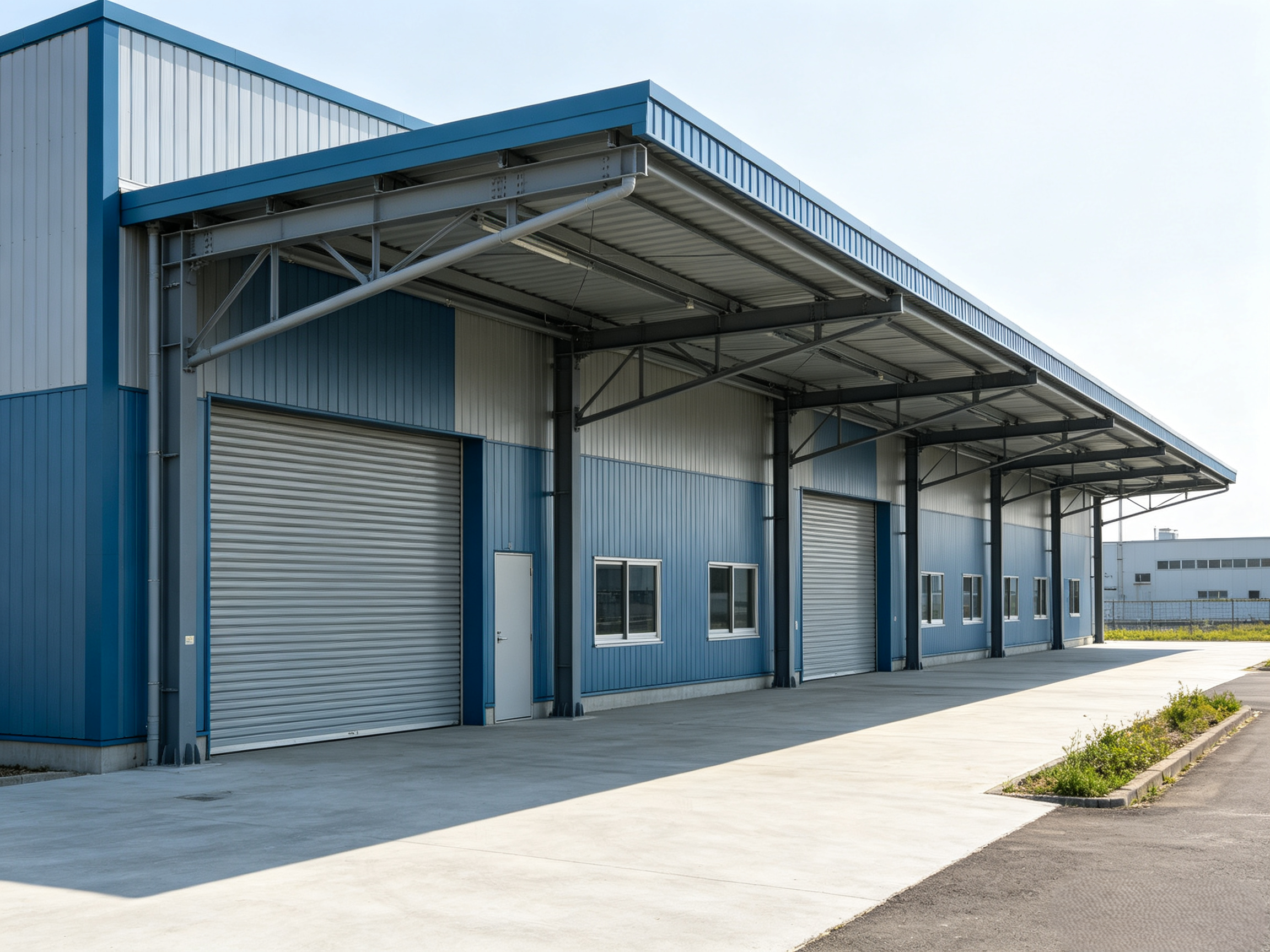
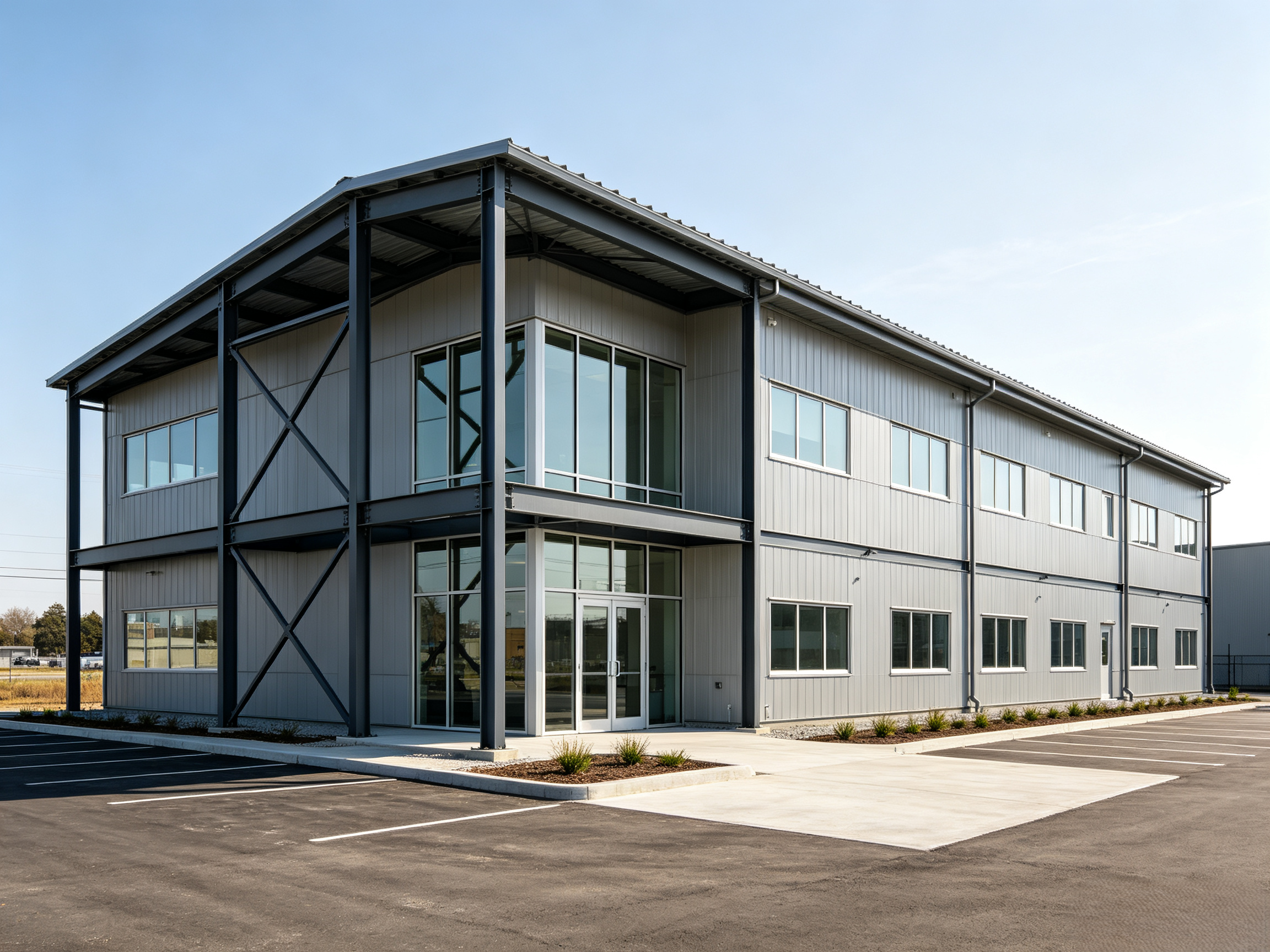
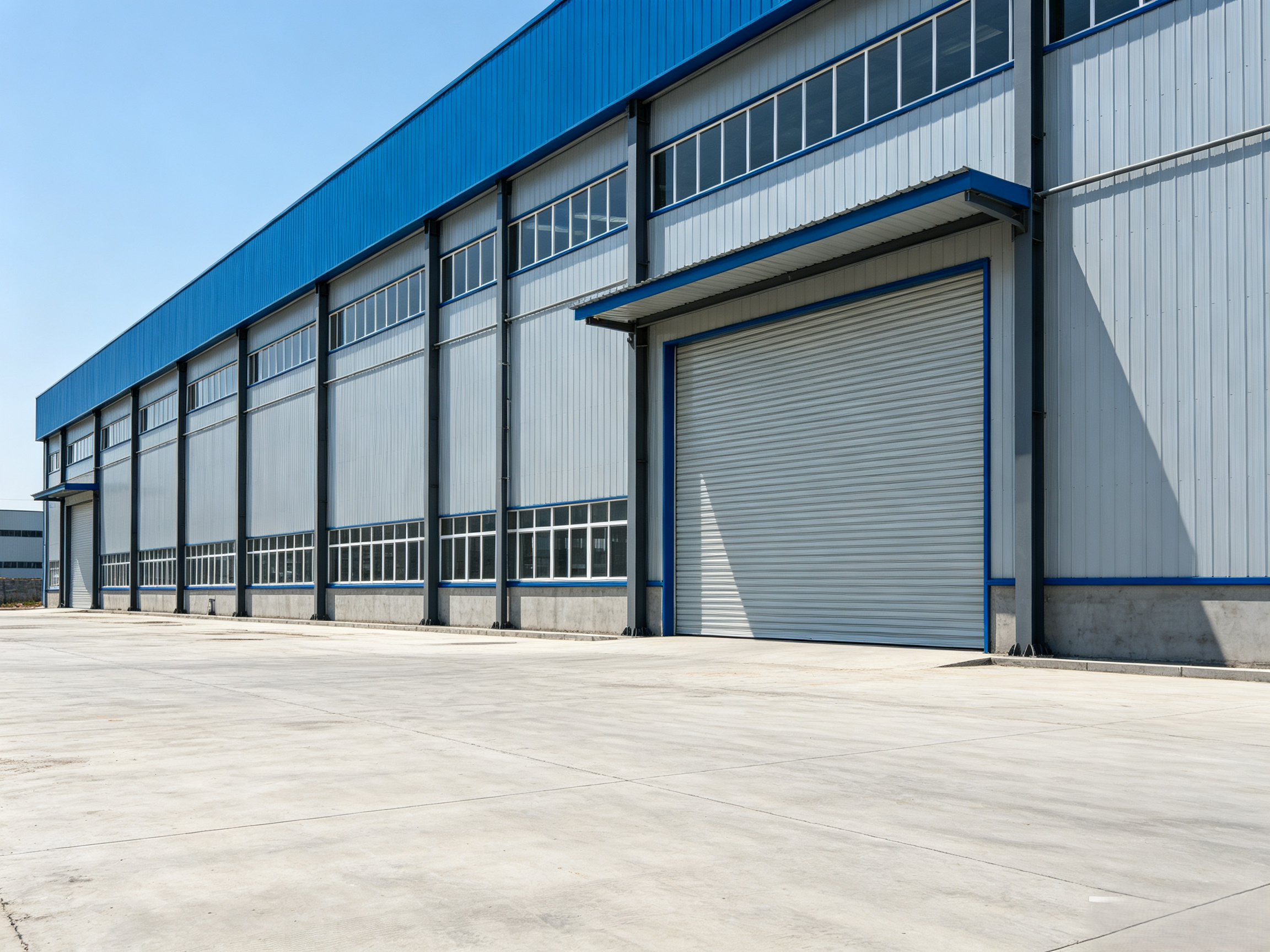
Steel  built homes  are  becoming an increasingly popular  choice for  both  residential  and commercial applications, offering durability,  energy efficiency, and versatility.  As a B2B  buyer, your  primary concerns likely revolve around quality, cost, and the specific requirements for your project.  This article  will delve into the key specifications of steel built homes, how to  evaluate  their quality,  the factors affecting  cost, best practices for procurement,  and  the features and benefits that make them an appealing  choice.

Why choose Xingyuanxing steel built homes

Our Products

Key Specifications of Steel Built Homes for Bulk Purchases

When considering steel built homes for  bulk purchases, several key specifications should be assessed:

Material Strength and Grade: The strength of the  steel used is paramount. Common grades include  ASTM A36 and A572, which provide a good balance of strength and  weldability.  It's crucial to confirm the grade as it  impacts the structural integrity and longevity of the finished product.

Dimensions and Design: Standard dimensions may  vary, so ensure the design specifications align with your intended application. Custom dimensions can often be accommodated, but this may affect lead times and  costs.

Insulation Properties: Steel built homes often  integrate various insulation types, such as fiberglass  or spray foam. Understanding the  R-value (a measure of insulation effectiveness) is essential, as it influences energy efficiency and comfort levels.

Finish and Coating: A protective coating or paint finish is vital for preventing  corrosion, especially in harsh environments. Buyers should inquire about the types of finishes available and their expected  lifespan under different  conditions.

Modular Capabilities: Many manufacturers, including Tianjin Xingyuanxing Color Steel Structure Co., Ltd., offer modular designs that can be prefabricated for quicker  assembly on-site. This can  significantly reduce overall project timelines. For example, using Prefabricated Structural H-Beam Steel 100×100mm For Large-Span Industrial can enhance your project efficiency.

Load-Bearing  Capacity: Depending on the application, it's important  to verify the load-bearing capacity of the structure. This includes assessing  the floor load limits and roof load specifications, which are critical for compliance with local building codes.

Frequently Asked Questions

Our Blog Posts

What Our Partners Say

How to Evaluate the Quality of Steel Built Homes

How to Evaluate the Quality of Steel Built Homes

Evaluating the  quality of steel built homes  involves several practical steps:

Request Samples:  Before committing to bulk  orders, request samples or prototypes. This allows you to assess the  finish, structural integrity, and overall craftsmanship. Ensure that the sample reflects the final product.

Review Quality Certifications: Check for relevant certifications such  as ISO 9001, which indicates a commitment to quality management systems. While the company’s background confirms stable  quality over ten years, third-party certifications can provide  additional reassurance.

Inspect  Manufacturing Processes: Understanding the manufacturing processes can provide insight into quality.  Look for details about welding techniques, fabrication  methods, and quality control measures  that are in place during production.

Check References and Case Studies: Ask for references  or case  studies  from  previous projects. This  can help gauge the manufacturer's reliability and product performance in real-world scenarios.

Conduct On-Site Inspections: If possible,  visit the  manufacturing facility. This offers a firsthand view of operations, equipment, and the overall environment in which your products will be created.

Cost Factors to Consider When Purchasing Steel Built Homes

Cost Factors to Consider When Purchasing Steel Built Homes

Several cost factors can  influence the pricing of steel built homes:

Material Costs: Fluctuations in steel prices can  significantly  impact your total cost. It's wise to monitor market trends or engage with suppliers  who offer fixed  pricing for longer contracts.

Customization and Design Complexity: Customized designs or complex  configurations typically  incur higher costs. Consider  whether standard designs meet your needs to optimize expenses.

Volume Discounts: Purchasing in  bulk can lead to volume discounts, so clarify minimum order quantities (MOQ) with suppliers. This can substantially lower the  unit  price.

Transportation and Shipping:  Depending  on the delivery location, shipping costs can vary. Ensure you understand  the logistics and factor these into your overall budget.

Installation Costs: If the manufacturer provides installation services, evaluate these costs as well. Some companies, like Tianjin Xingyuanxing, may offer  competitive  installation packages that  can save  you money in  the  long run. Utilizing Hot-Rolled U-Shaped Channel Steel Q235B For Industrial Equipment Base Support might be a cost-effective solution for your installation needs.

Best Practices

Best Practices

To ensure a smooth procurement process for steel built  homes,  consider the following best practices:

Define  Your Requirements: Clearly outline your  project specifications, including dimensions, materials, and performance expectations. This clarity will help suppliers provide accurate quotations.

Engage in Early  Discussions: Initiate conversations with suppliers early in the planning phase.  This allows for collaboration on  design and materials, leading to better  cost management and project timelines.

Use Detailed RFQs: When requesting quotes, include comprehensive details such as project location,  application, and  any necessary certifications. A well-prepared RFQ can lead to  more precise pricing and delivery timelines.

Evaluate Multiple  Suppliers: Don’t settle for the first  quote. Comparing multiple suppliers can provide insights into market pricing and quality differences,  ensuring  you choose the best option  for your needs.

Plan for Lead Times: Understand the lead  times for production and shipping. This  is particularly important for bulk orders, as delays can  impact project timelines.

Features and Benefits Explained

Steel built homes offer numerous features and benefits that make them an attractive option for B2B buyers:

Durability: Steel structures are resistant to  pests, rot, and extreme weather conditions, making them ideal for various applications. This durability translates into lower maintenance costs over time.

Energy Efficiency: With  proper  insulation, steel  built homes can achieve high energy efficiency ratings, reducing operational costs and environmental impact.

Customization: The  versatility of steel allows for a wide  range of designs and configurations to meet specific project needs. Buyers can work with manufacturers to create  tailored solutions.

Speed of  Construction: Prefabricated steel components can significantly reduce construction time, which  is beneficial for tight project schedules. The quick assembly process minimizes labor costs  and project downtime.

Sustainability: Steel is recyclable,  and using it  in construction contributes to sustainable building practices. Many companies are now focusing on producing environmentally friendly products, which can enhance your company's reputation.

By understanding these specifications, quality evaluation methods,  and cost factors, B2B buyers can  make  informed decisions when considering steel built homes. Engaging with  experienced manufacturers like Tianjin Xingyuanxing Color Steel Structure Co., Ltd. ensures that you receive  high-quality solutions tailored to  your project requirements.