Light Gauge Steel Frame Construction Insights

application/light-gauge-steel-frame-construction, application/light-gauge-steel-frame-construction, 
Inquiry
Inquiry

light gauge steel frame construction

Light gauge  steel frame construction is  a modern building  method that uses thin steel sections to create structural frameworks for various applications. This technique offers  several advantages,  including lightweight construction, speed of assembly, and excellent durability. For B2B buyers, such as  purchasing  managers  and engineers, understanding the nuances  of light gauge  steel frames is crucial for making informed decisions. This  article will explore reliable sourcing  options,  key considerations  in steel frame construction,  cost factors,  common  issues and their solutions, and the diverse  applications across  industries.

 

Why choose Xingyuanxing light gauge steel frame construction

Our Products

Where to Source Reliable Suppliers of Light Gauge Steel Frames

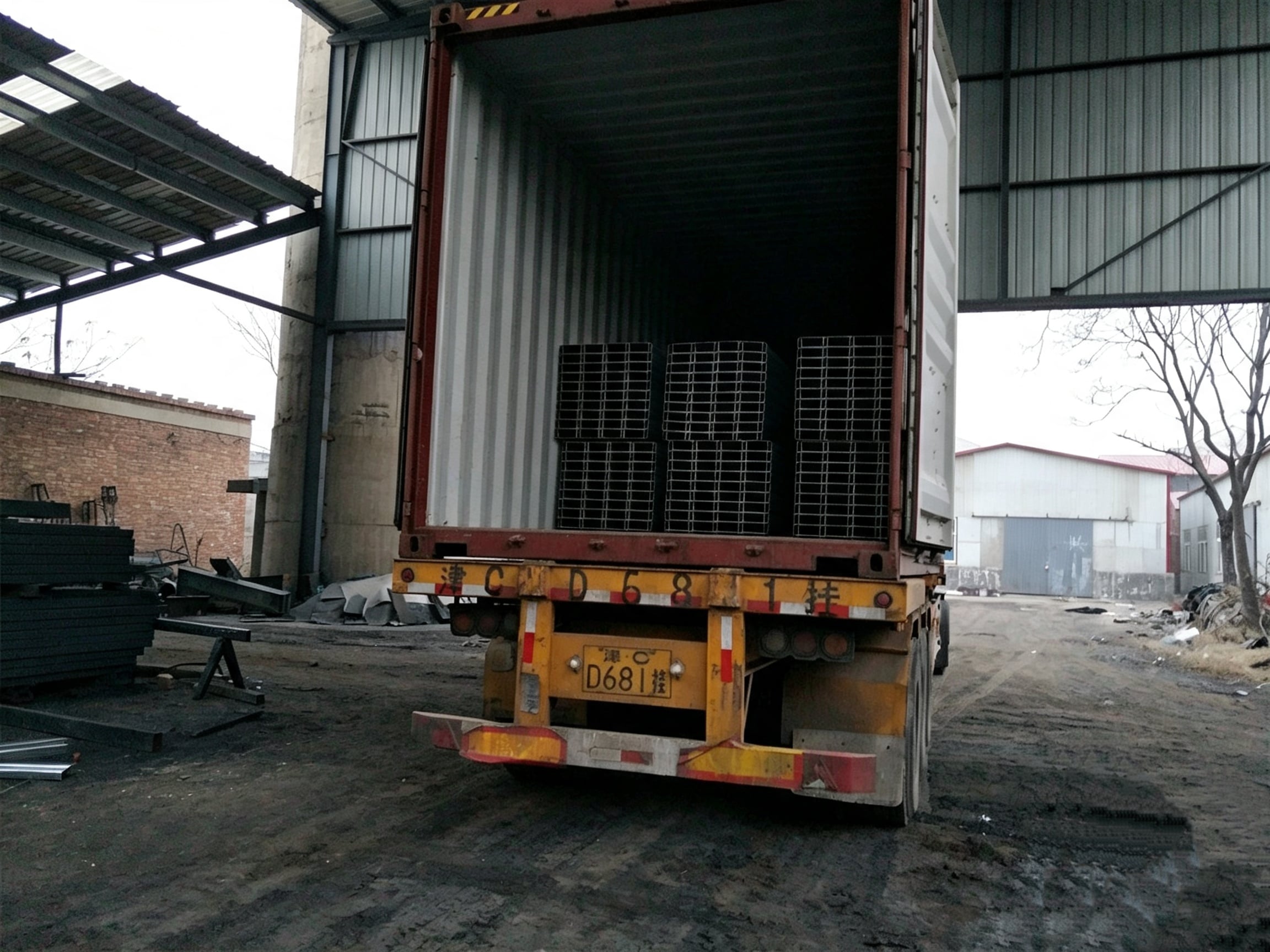
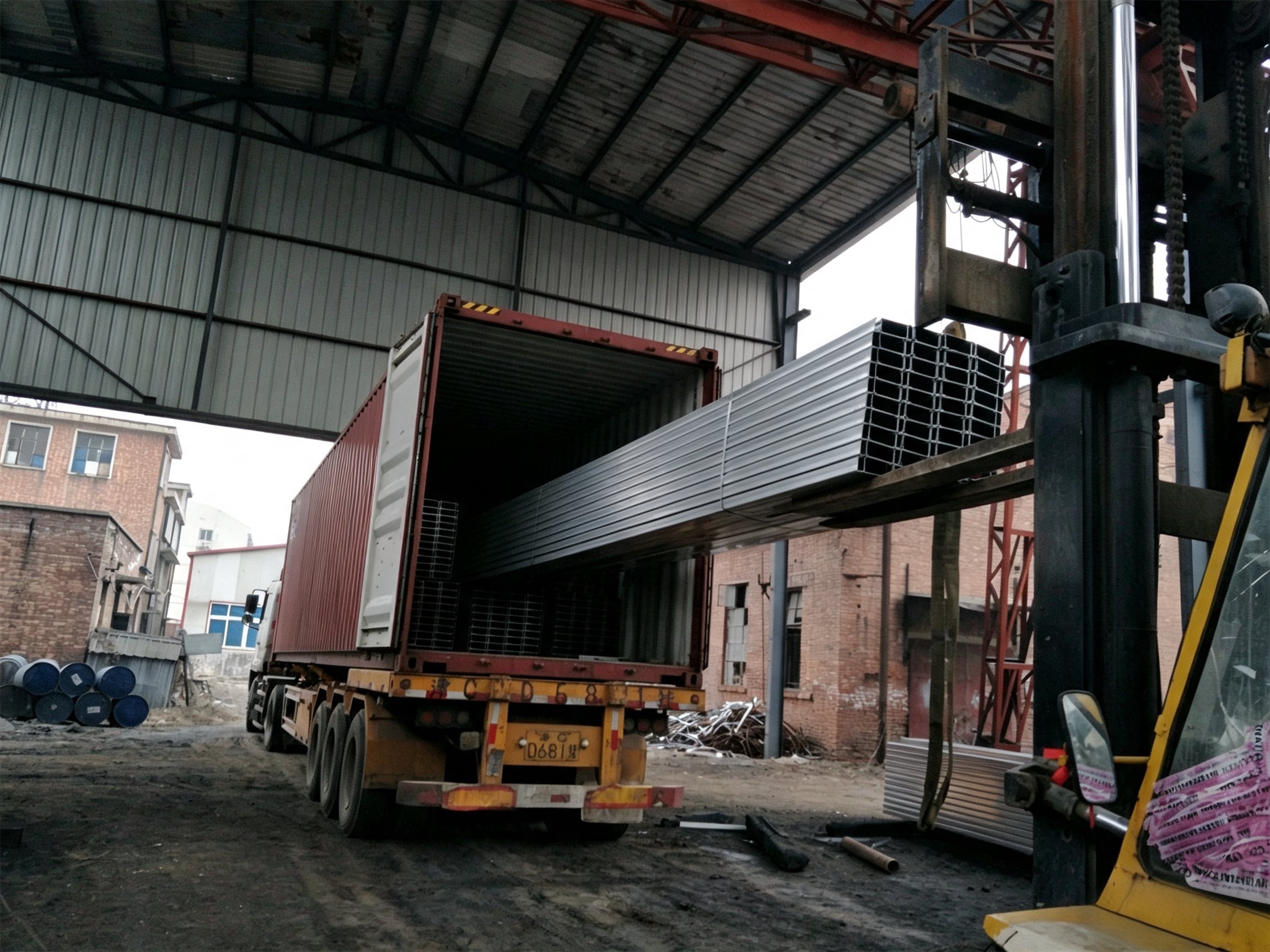
Finding a dependable  supplier of light gauge steel frames is essential for ensuring quality and timely delivery. Buyers should start by researching  manufacturers with a proven track record in the industry.  Look for companies like Tianjin Xingyuanxing Color Steel  Structure Co., Ltd., which  has over ten years of experience in the Beijing-Tianjin-Hebei region, integrating design,  fabrication,  and installation with  color steel production. Additionally, exploring options for a Factory building of steel structure can broaden your understanding of potential suppliers.

Key sourcing strategies include:

  Industry Associations and Trade  Shows: Participating in trade shows or joining industry associations can  connect buyers with reputable suppliers  who specialize in steel frame construction. Online Marketplaces: Platforms like Alibaba or ThomasNet can provide access to multiple  suppliers, but it's crucial to vet  their credibility through reviews and ratings. Direct Recommendations: Engaging with industry  peers or professional networks can yield valuable recommendations for suppliers known for their  reliability and product quality.

When evaluating suppliers, consider their manufacturing  capabilities, quality control processes, and past project experiences  to ensure they align  with your specific  requirements.

Frequently Asked Questions

Our Blog Posts

What Our Partners Say

What to Look for in Steel Frame Construction

What to Look for in Steel Frame Construction

When selecting  light gauge  steel frames, buyers should consider several critical specifications and factors:

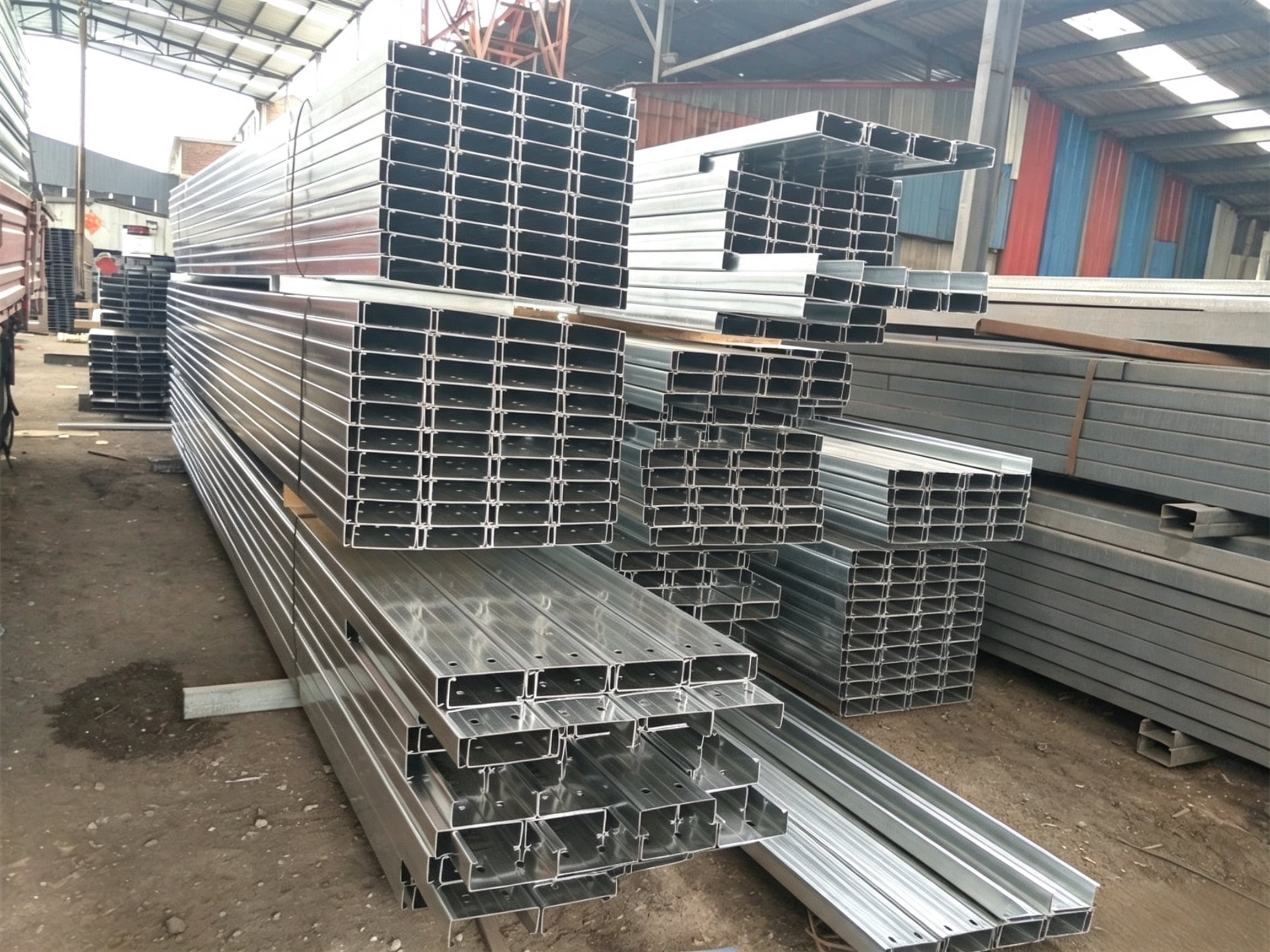
  Material Quality: The steel should  meet relevant standards for tensile strength and corrosion resistance. Common grades include G90  galvanized steel, which offers enhanced durability against environmental factors. Thickness and Dimensions: The  thickness of the steel members affects  both structural integrity and weight. Typical  gauges range from 20 to 12, depending on  the  application requirements.  Ensure the chosen thickness supports the anticipated  loads and  spans. Fabrication Precision: High-quality fabrication is vital for ensuring that components  fit together  seamlessly during  assembly. Buyers  should inquire about the manufacturing process, including cutting, punching, and welding techniques used by the supplier. Certification Compliance: Verify that the supplier adheres to industry standards and certifications, such as ISO 9001, which indicates a commitment to quality management systems.

Engaging with suppliers to discuss these factors will  help buyers make informed  decisions that suit their project specifications.

 
Cost Factors in Light Gauge Steel Frame Construction Projects

Cost Factors in Light Gauge Steel Frame Construction Projects

Understanding the cost factors associated with light gauge  steel frame  construction  is essential for budgeting  effectively.  Key  elements  influencing pricing include:

Material Costs: Fluctuations in raw steel prices can significantly impact overall costs. Buyers should monitor market  trends and consider entering long-term contracts for  better price stability. Fabrication and Labor Costs: The complexity of the design may require more intricate fabrication, leading to increased labor costs. Ensure that the supplier  provides detailed  quotes that reflect all fabrication processes. Transportation and Logistics: Consider the shipping costs  based on the distance from the supplier to  the project  site. Efficient  logistics  can minimize unexpected  expenses. Volume Discounts: Purchasing in bulk  may provide opportunities for cost savings. Discuss minimum order quantities (MOQ) with suppliers to take advantage of these discounts.

By analyzing these cost  factors, buyers can better estimate their project budgets and negotiate more effectively with  suppliers.

Common Problems with Light Gauge Steel Frames and Their Solutions

Common Problems with Light Gauge Steel Frames and Their Solutions

Despite  the advantages of  light gauge steel frame construction, buyers may  encounter several common issues during installation and use. Understanding these challenges can  help mitigate risks:

Corrosion:  If not properly treated, steel frames can be susceptible to rust.  Buyers should ensure that the steel  is adequately  galvanized or coated for long-term protection against  moisture.

Solution: Specify the use of  high-quality corrosion-resistant materials and establish maintenance  protocols.

Misalignment During Assembly: Inaccurate measurements can  lead  to misalignment of frames, affecting structural integrity.

Solution: Conduct thorough quality inspections during the fabrication phase and use precise tools during  assembly.

Thermal Expansion: Steel expands  and contracts with temperature changes, which can  affect the  stability of the structure.

Solution: Incorporate expansion joints in the design to allow for movement without compromising  structural integrity.

By proactively addressing these issues, buyers can  enhance the performance and longevity of their light gauge steel  frame structures.

Applications of Light Gauge Steel Frame Construction Across Industries

Light gauge steel frame construction is versatile and  applicable across various industries, including:

Residential Construction:  This method  is increasingly popular for building lightweight, durable homes. Its quick assembly time and resistance to pests make  it an attractive  option for residential developers. Commercial Buildings: Retail spaces and  office buildings benefit from the flexibility  of steel frame construction, allowing for large open spaces and customizable layouts. Industrial Structures: Factories  and warehouses often employ light gauge steel frames for their strength and ability to  support heavy loads. Modular Construction: The  modular building approach  utilizes light gauge steel for  prefabricated components, streamlining the construction  process  and reducing on-site labor. 

Understanding these  applications helps buyers recognize the potential of light gauge steel frames in  diverse projects  and  tailor their  purchasing strategies accordingly.