Key Considerations for I Beam Structures

application/i-beam-structure, application/i-beam-structure, 
Inquiry
Inquiry

i beam structure

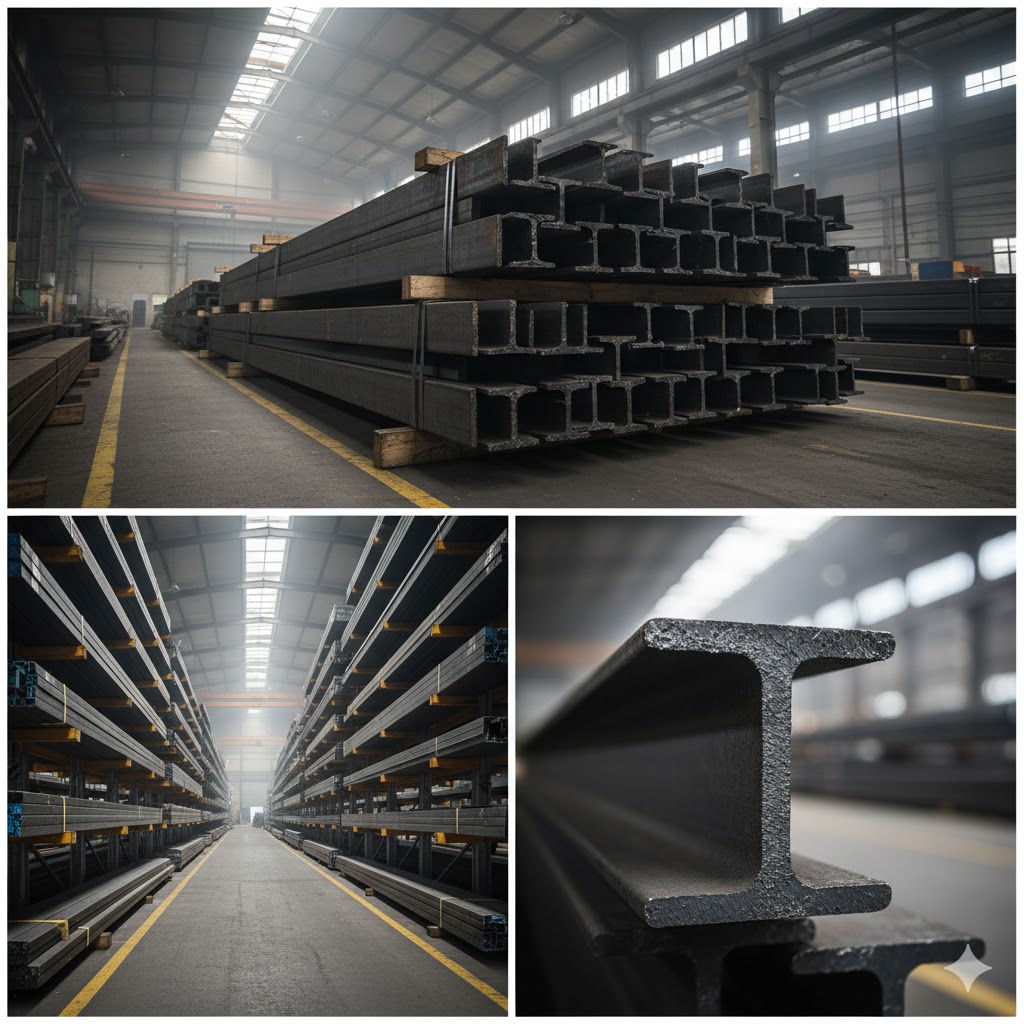
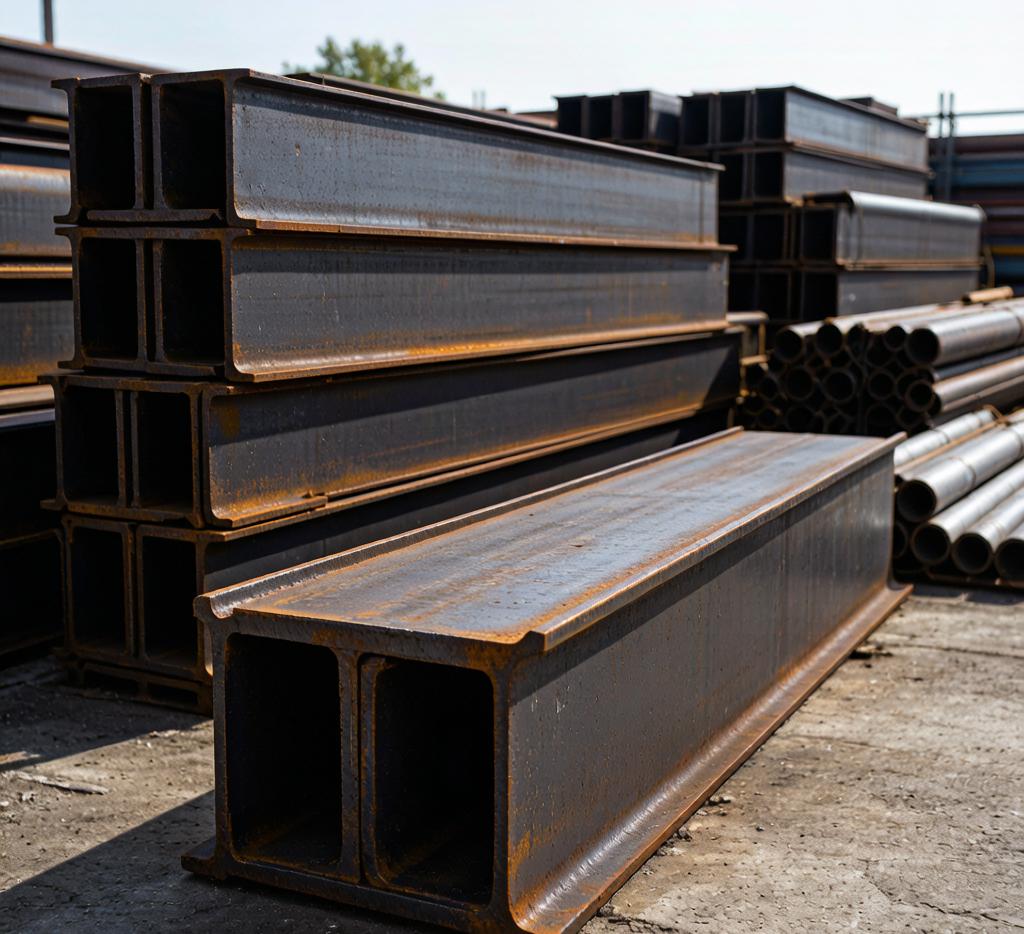
I beam  structures are critical components in various  construction  and engineering projects,  providing  essential support and stability for buildings, bridges, and other infrastructures. As a  B2B buyer, understanding the  specifications, sourcing, and  application  of I  beam structures is crucial  to ensure  project success.  This  article will address  key considerations  when selecting I beam structures,  outline their specifications and  features, guide you on sourcing, and provide a buyer’s  guide to help you  make informed decisions.

Why choose Xingyuanxing i beam structure

Our Products

What to Consider When Choosing I Beam Structures for Your Projec

When  selecting I beam structures, consider the following factors:

Load Requirements:  Determine  the load-bearing capacity needed for your application. I beams  come  in  various sizes  and configurations, which affect their strength and suitability for different loads.

Material Type: Common materials for I beams include steel  and aluminum. Steel I beams are often preferred for their strength and durability,  while aluminum may be chosen for lightweight applications. Assess the environmental conditions that may affect material performance, such as exposure to moisture or chemicals.

Dimensions and Specifications: The dimensions of the I  beam will directly impact  its performance. Be sure to specify the height, width, and flange thickness  required for your project, especially if you are considering additional components like a Secondary steel structure. Additionally, consider the beam's length, as longer  beams may require additional support.

Customization Needs: Depending on  your project, you may require custom I beam structures tailored to specific  dimensions or performance criteria. Verify whether your supplier can  accommodate these requests.

Certifications and Compliance: Ensure that  the I beams meet relevant industry standards and regulations for safety and performance. This may include certifications related to material quality, load testing,  and structural integrity.

Frequently Asked Questions

Our Blog Posts

What Our Partners Say

Key Specifications and Features of I Beam Structures for Buyers

Key Specifications and Features of I Beam Structures for Buyers

Understanding  the specifications of I beam structures is essential for making informed purchasing decisions. Key specifications include:

Material  Strength: The  yield  strength of the material (typically measured in megapascals  or psi) indicates how much load the  beam can bear before deforming.  Higher yield strength materials are  often more suitable for heavy-load applications.

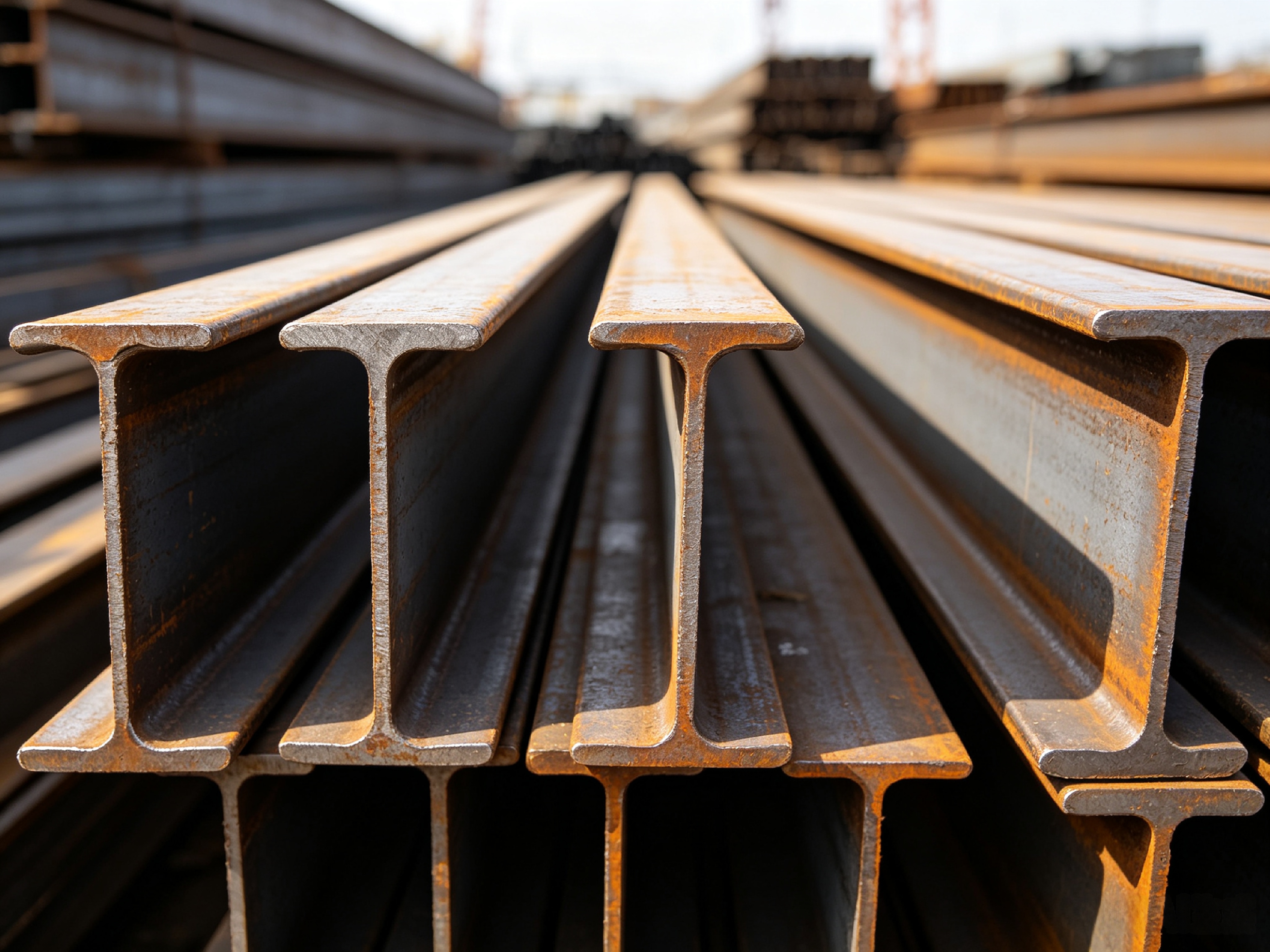
Dimensions: Standard I beam sizes are defined by their  depth (height),  flange width, and weight per unit length. For  example, a common specification might be a W10x30 beam, which  indicates a depth of 10 inches and a weight of 30 pounds per foot.

Web Thickness:  The thickness of the web (the vertical  section of the "I") affects stiffness and load distribution. A thicker web generally increases the beam's ability to resist  buckling and shear forces.

Flange Characteristics: The shape and size of the  flanges play a significant  role in the beam's overall strength and stability. Flange dimensions should be compatible with the intended application, whether it’s  for building support or bridge construction.

Surface Treatment:  Surface treatments such as  galvanization or powder coating can enhance the corrosion resistance of I beams, making them suitable for various environmental conditions.

Where to Source High-Quality I Beam Structures Wholesale

Where to Source High-Quality I Beam Structures Wholesale

Sourcing high-quality I beam structures involves finding reputable suppliers who can meet your specifications. Here are some effective strategies:

Industry Directories and Trade Shows:  Utilize industry-specific directories and attend trade shows  to connect with manufacturers and suppliers. These platforms  often provide insights  into a supplier's reputation and  product offerings.

Online Marketplaces: Platforms like Alibaba and ThomasNet can be useful for finding suppliers  that  offer I beam structures at competitive prices.  Look for  suppliers with verified ratings and positive customer feedback.

Local Manufacturers: Consider sourcing from local manufacturers, like Tianjin Xingyuanxing Color Steel Structure  Co., Ltd., who have  established experience in  the Beijing-Tianjin-Hebei region. Local  suppliers can often provide faster lead times and lower shipping  costs, especially when it comes to elements like a Factory building of steel structure.

Bulk  Purchase Discounts:  Inquire about wholesale  pricing and bulk purchase discounts. Many manufacturers are  willing to negotiate pricing based on order  volume, which can significantly reduce costs.

A Buyeru2019s Guide

A Buyeru2019s Guide

When preparing to purchase I beam structures, consider the following checklist:

Specification Confirmation:  Confirm dimensions, material type,  and any customization requirements before placing an order. Providing detailed specifications will  help avoid delays and misunderstandings.

Request  Samples: If possible,  request samples of the  I beams to evaluate their quality and suitability  for your application. Inspecting a sample  can reveal potential issues not evident  from specifications alone.

Lead Time: Discuss lead times with potential suppliers to  ensure  they align with your  project  schedule. Delays in sourcing I beams  can impact overall project timelines.

Quality Assurance: Inquire about the supplier's quality control processes. Understanding their testing and inspection methods  can provide confidence in the structural  integrity of the beams.

Shipping and Packaging: Clarify shipping arrangements  and packaging methods  to protect the I beams during transport. Proper packaging is  essential to prevent damage  and ensure that the beams arrive in good condition.

How to Compare Different I Beam Structures for Your Needs

When evaluating different  I beam structures, consider the following criteria:

Performance Metrics: Compare the load-bearing capacities and material strengths of various I beams. Ensure  that the specifications meet or exceed the requirements of your project.

Cost Analysis:  Assess the total cost of I beam structures, including material  costs, shipping, and any potential customization fees. A lower initial price  may not always reflect the best overall value.

Supplier Reputation:  Research the reputation of  suppliers  by reading reviews  and testimonials. A supplier with a strong track record in  quality  and service will likely provide a better purchasing experience.

Warranty and Support: Consider the warranty offered by the manufacturer. A solid warranty can provide peace of mind regarding the durability and performance of the I beams.

Customization Options: If your project has unique requirements, compare the customization capabilities of different suppliers. Some manufacturers may offer more flexible  options  than others, including a range of Accessories that could enhance your project.

By taking these factors into account, you can make a well-informed decision when selecting I beam structures that align with  your project  needs. Understanding the specifications, sourcing options, and  evaluation methods will ultimately  enhance your purchasing strategy and  ensure project success.