Workshop Steel Specifications and Quality Evaluation

application/workshop-steel, application/workshop-steel, 
Inquiry
Inquiry

workshop steel

Understanding  workshop steel is  essential for  purchasing  managers, engineers,  and product managers involved in industrial and commercial applications. This material  forms the backbone of many structures, providing  strength and  stability in various environments. B2B buyers often seek specific information about workshop steel to ensure  they select  the right product for their needs.  This  article  will cover vital aspects  of workshop steel,  including specifications,  quality evaluations, supplier sourcing,  best practices,  and  common problems with effective  solutions.

Why choose Xingyuanxing workshop steel

Our Products

Understanding Workshop Steel Specifications for Bulk Orders

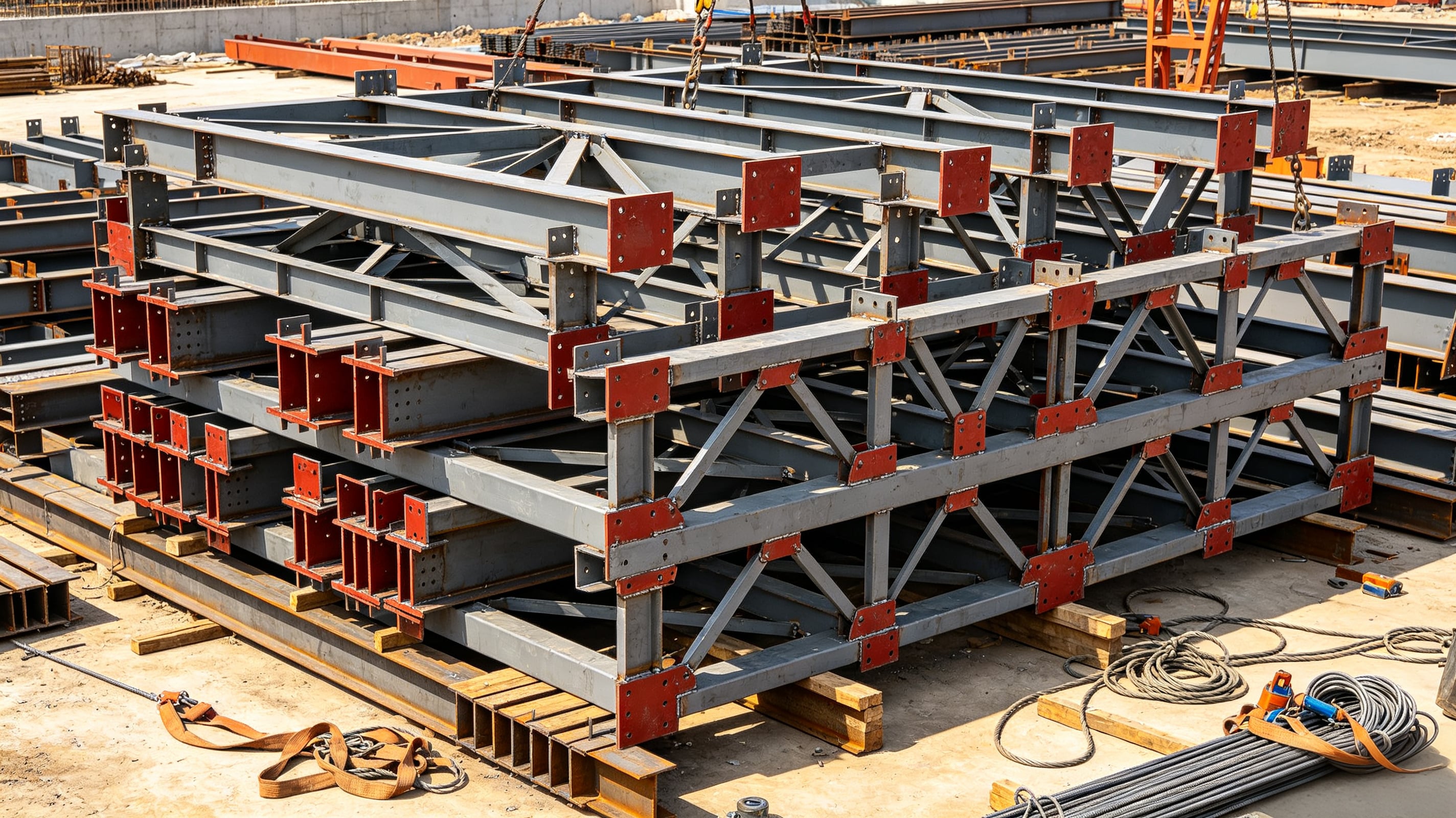
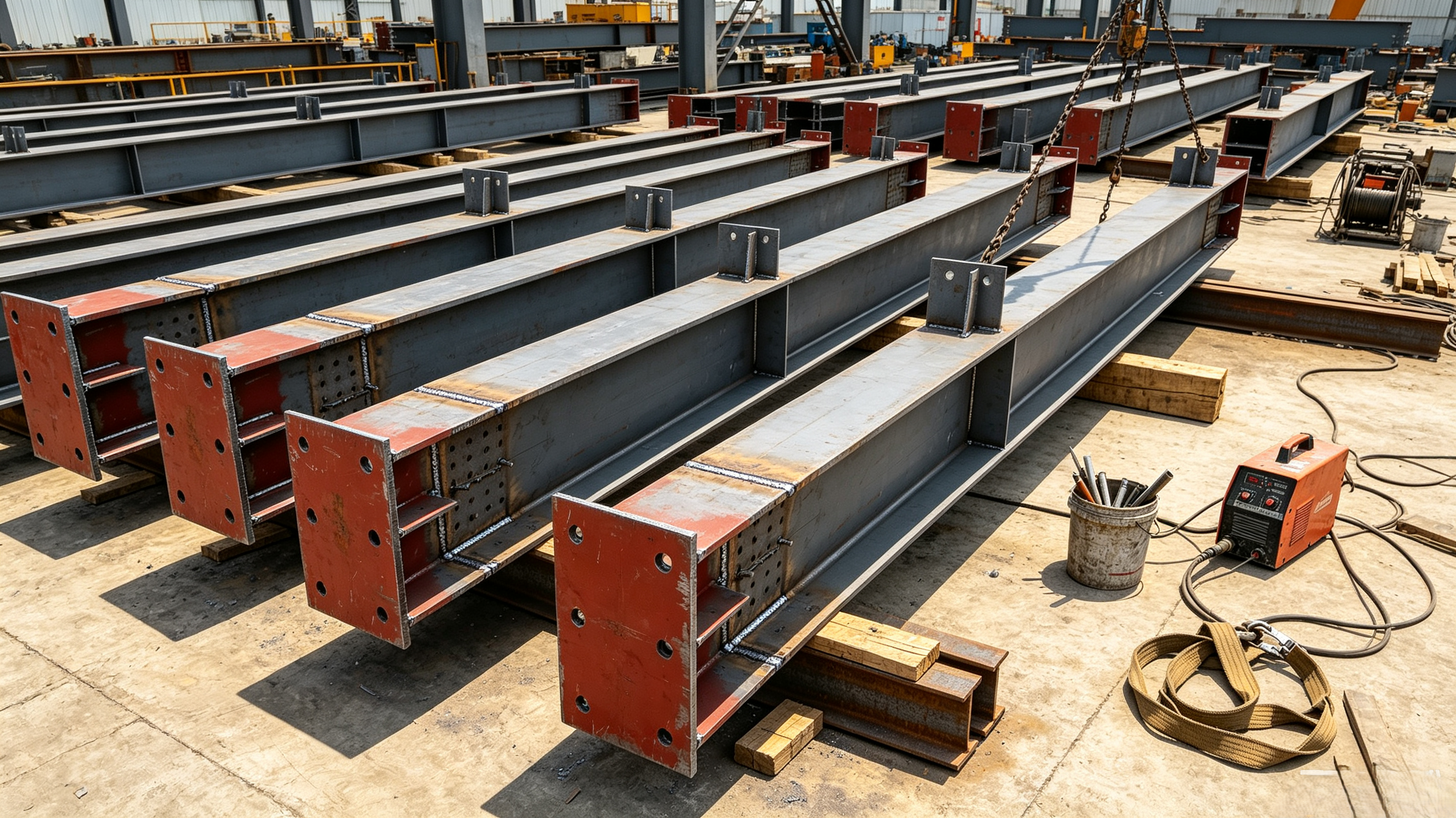
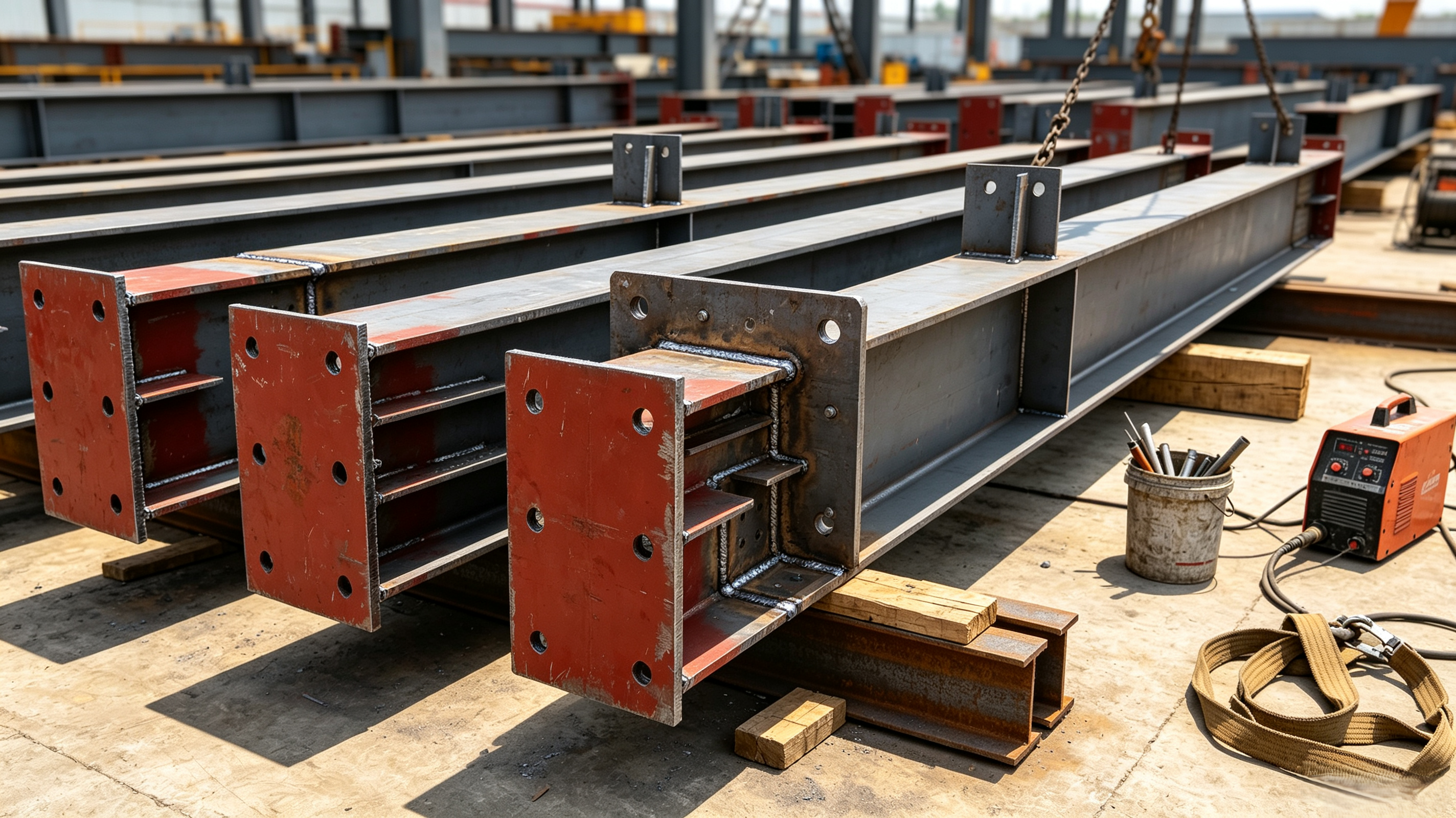
When considering bulk orders of workshop steel, it's crucial to understand several  key specifications.  Commonly, workshop  steel is evaluated based on  its grade, thickness, length, and finish. The grade of steel, which indicates its chemical composition and  mechanical properties, directly impacts its performance in  various applications. For instance,  structural steel grades like S235, S275, or S355 are often used  for their excellent strength-to-weight ratios.

Thickness is another important specification; it must align with  the structural  requirements of the project. For  example, thicker steel  may be necessary for  load-bearing applications, while thinner steel can suffice for  non-structural uses. Additionally, buyers  should consider the length of the steel pieces, as standard lengths can minimize waste and reduce costs.

Surface finish is also vital. Options include hot-rolled, cold-rolled, or galvanized finishes, each providing different  levels of corrosion resistance and  aesthetic appeal. Buyers should confirm their specific application needs before finalizing orders,  as the wrong specifications can lead  to project delays  or increased costs.  For projects involving complex structures, considering the appropriate Secondary steel structure could also be beneficial.

Frequently Asked Questions

Our Blog Posts

What Our Partners Say

Evaluating the Quality of Workshop Steel for Wholesale Purchasing

Evaluating the Quality of Workshop Steel for Wholesale Purchasing

Quality evaluation is paramount when purchasing  workshop steel in bulk. A first step is to verify the manufacturer's quality control processes. Reputable suppliers, like Tianjin Xingyuanxing Color Steel Structure Co., Ltd., often have robust quality management systems in place, which include regular inspections and  adherence to industry standards.

A crucial aspect of quality is  the certification of materials, such as compliance with international  standards like ISO  or ASTM. These certifications  provide  assurance that the steel  has been tested for its  mechanical  properties and  chemical composition. Buyers should  request documentation  to  confirm  these standards.

Additionally, buyers should consider  requesting  samples for testing  under actual operating conditions before placing large orders. This allows for the evaluation  of performance characteristics, such as  weldability and tensile strength, ensuring the steel will meet the specific demands of their projects.

Where to Find Reliable Suppliers of Workshop Steel Products

Where to Find Reliable Suppliers of Workshop Steel Products

Identifying reliable suppliers  of workshop  steel products  is essential for ensuring quality and timely delivery.  Start by researching manufacturers  with a proven  track record  in  the steel industry, particularly those  that specialize in workshop steel. Online marketplaces and industry directories can serve as valuable resources for finding potential suppliers.

Networking within industry associations or attending trade shows can also  provide  opportunities to connect with  reputable manufacturers. When evaluating suppliers, consider  their production  capabilities, customization options, and client testimonials. Additionally, it can be useful to assess the Factory building of steel structure experience of the suppliers.

It's advisable  to request  references and case studies from previous customers. This can provide insight into  the  supplier's reliability, quality of service, and ability  to meet deadlines. Conducting thorough due diligence on potential partners will help mitigate risks associated with procurement.

 
Best Practices and Tips

Best Practices and Tips

When  purchasing workshop steel, adopting  best practices can lead to better outcomes. Here are some practical tips:

Define Requirements Clearly: Before reaching out  to  suppliers, outline your specific needs, including dimensions, grade, quantity, and application. Providing  detailed  specifications  will help suppliers offer accurate quotes.

Request  Multiple Quotes: Gather quotes from several suppliers to compare pricing  and terms. This not only helps in finding competitive pricing but also provides insights into delivery timelines and payment terms.

Inspect Samples: Always request samples before placing bulk orders. This step is crucial for assessing quality  and suitability for your application.

Evaluate  Packaging and  Shipping: Ensure that the supplier  offers appropriate  packaging methods  to protect  the steel during transit. Discuss shipping options to avoid delays.

Maintain  Communication: Establish a  clear line of communication with your supplier.  Regular  updates on production status can prevent misunderstandings and ensure timely delivery.

Common Problems with Workshop Steel and Effective Solutions

While workshop steel is a reliable material, common issues  can arise during procurement or usage. Here are some typical problems and their solutions:

Quality Variations: Inconsistent quality can  occur due to poor manufacturing practices.  To mitigate this, always request certifications and conduct factory audits if possible.

Incorrect Specifications: Errors in order specifications can lead  to project delays. Double-check all details  before placing  orders and consider implementing a review process  for order  confirmations.

Delivery Delays:  Late  deliveries can disrupt project timelines. Discuss lead  times upfront with suppliers and consider penalties for late delivery to encourage adherence to schedules.

Corrosion Issues: Depending on the application, workshop steel may be exposed to moisture or chemicals,  leading to corrosion. Ensure that the steel is treated appropriately for your specific environment, whether through galvanization or protective coatings.

By  understanding these common issues and implementing effective strategies, buyers can significantly enhance  their procurement process and ensure that their projects proceed smoothly.


In summary, being informed  about  workshop steel specifications, quality evaluation, reliable suppliers, best practices, and common problems  empowers B2B buyers to make sound  purchasing decisions that align with their operational needs.