Choosing Steel Materials for Your Workshop Projects

application/steel-work-shop, application/steel-work-shop, 
Inquiry
Inquiry

steel work shop

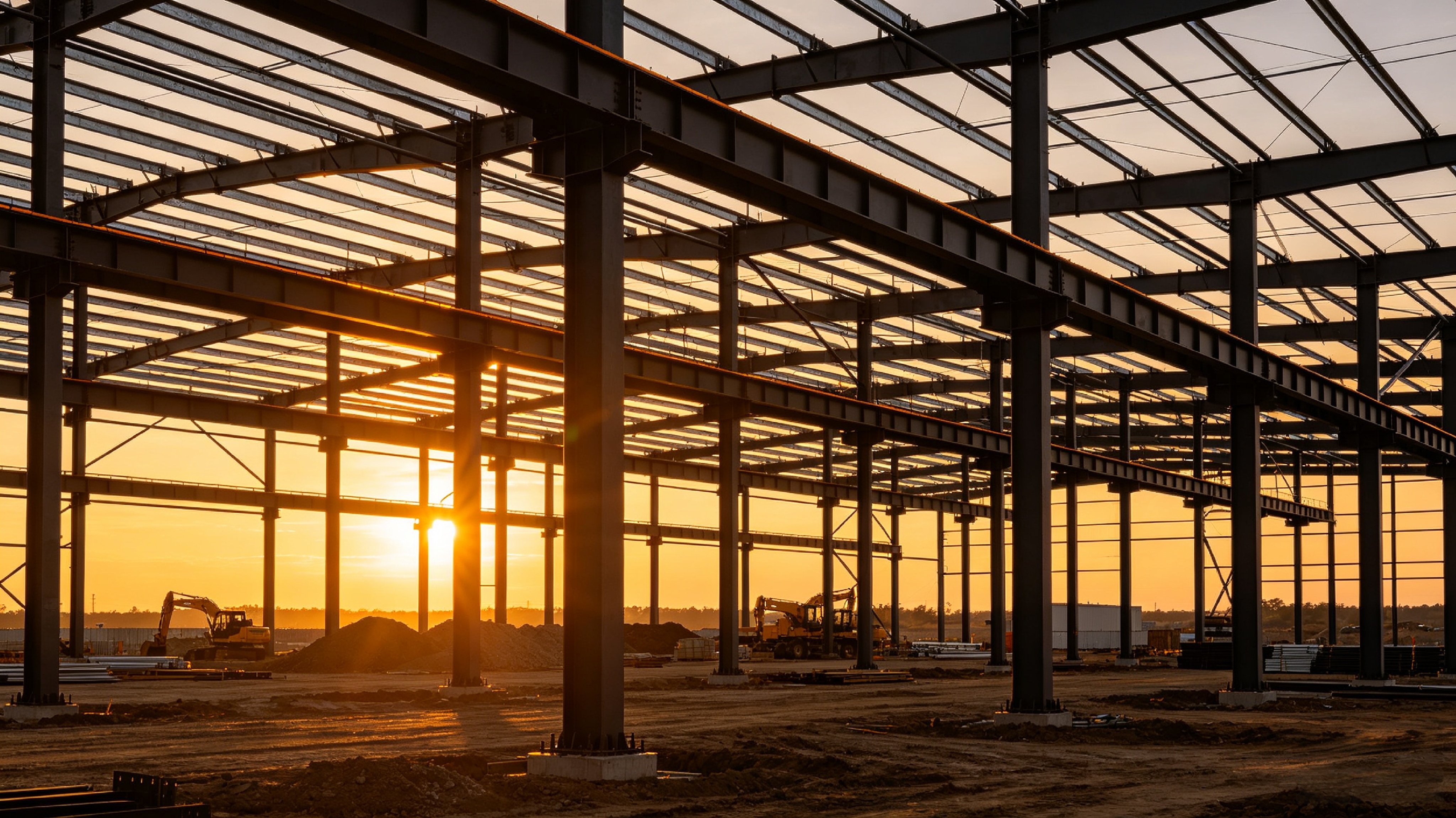
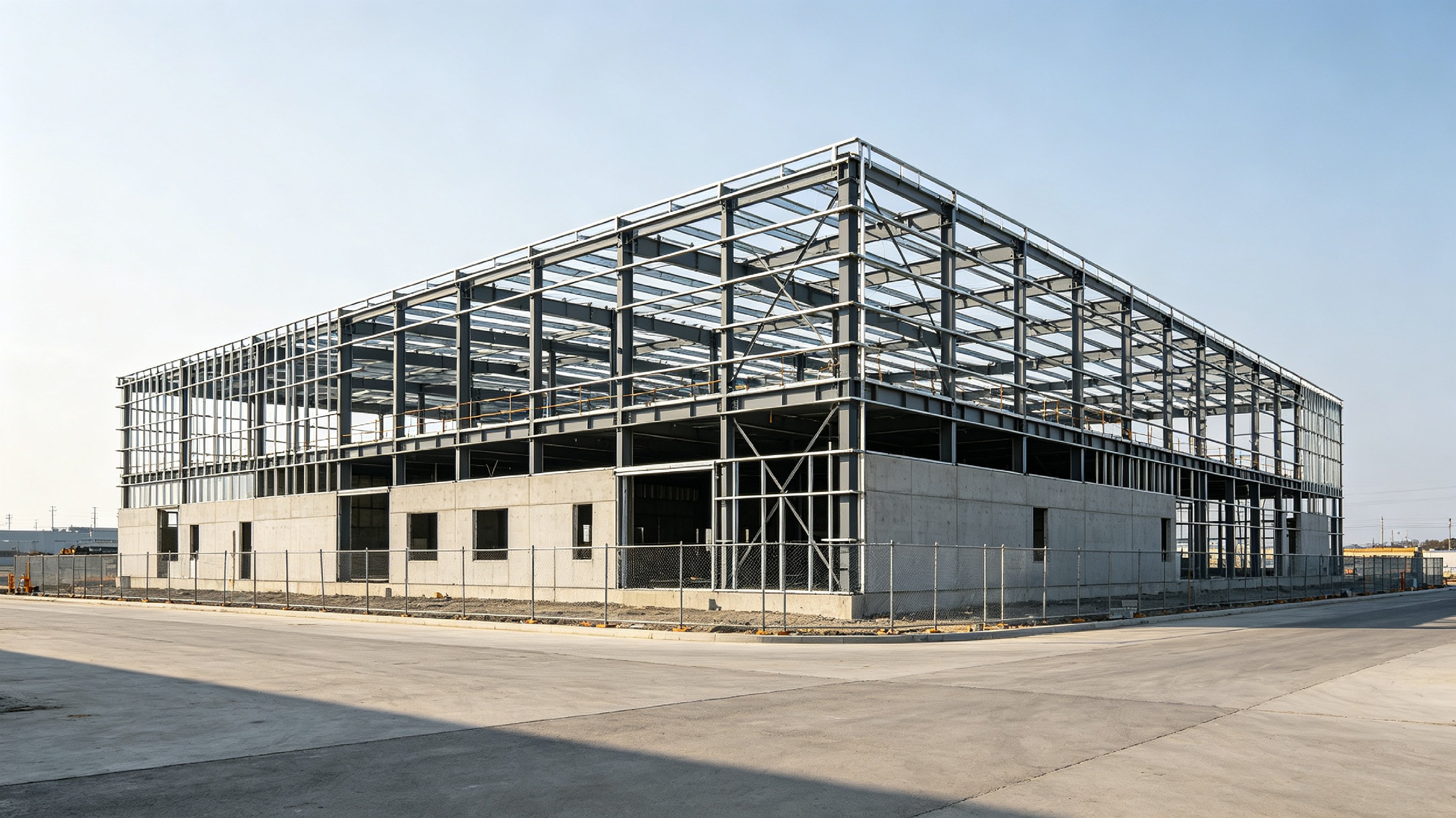
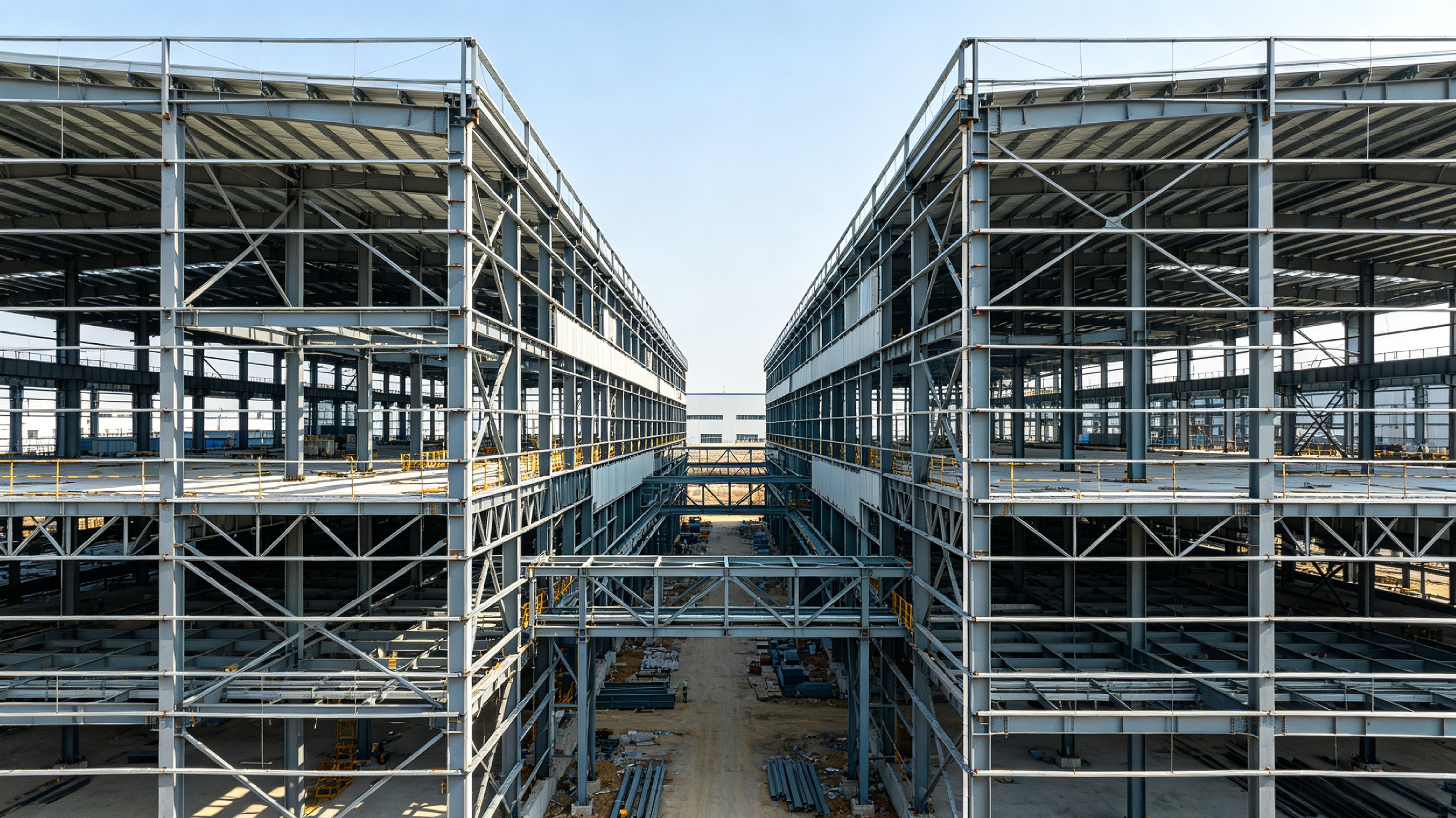
In  the realm  of industrial construction, a steel workshop  plays  a pivotal role in the design, fabrication, and installation of steel  structures. The choice  of materials  and manufacturing processes directly  influences the quality and efficiency of  these projects. For purchasing  managers,  engineers, and product managers,  understanding what makes a steel workshop  effective and reliable is crucial  for selecting the  right  supplier.  This article will help clarify the considerations involved  in choosing steel  materials, key specifications, cost factors, and the applications of steel structures across various industries.


Why choose Xingyuanxing steel work shop

Our Products

How to Choose the Right Steel Materials for Your Projects

Selecting the appropriate steel materials for your workshop is vital to ensure structural integrity and longevity. The  primary considerations include the type of steel, its grade, thickness, and  finish. Common  types of  steel used in workshops include carbon steel, alloy steel, and stainless steel, each offering  different properties suited to specific applications.

Steel Type: Carbon steel is often preferred for structural applications  due to its strength  and  cost-effectiveness. In contrast, stainless steel is chosen for its  corrosion resistance, making it  suitable for environments prone to  moisture or chemicals. For enhanced durability in challenging environments, consider using Corrosion-Resistant Hot-Dip Galvanized Round Tube Q235B For Greenhouse Bracing.


Grade and Thickness: The grade of steel indicates its strength and suitability for different  loads. Higher  grades can handle more stress but may also increase costs. Thickness is equally  important;  thicker sheets may provide better durability but can be more challenging to work with during fabrication.

Finish: The surface finish affects  not just  aesthetics but also corrosion resistance. Galvanized steel, for instance, is coated with zinc to prevent rust, making it ideal for outdoor structures.

Buyers should evaluate their project requirements and consult with manufacturers  to determine the best material choices tailored to their specific needs.


Frequently Asked Questions

Our Blog Posts

What Our Partners Say

Key Specifications for High-Quality Steel Workshop Products

Key Specifications for High-Quality Steel Workshop Products

When assessing steel workshop products, several specifications  should be prioritized to ensure they meet project requirements:

Yield Strength: This specification indicates the maximum stress the material can withstand before permanently  deforming. For  structural applications, a yield strength of at least 250 MPa is commonly recommended.

Tensile Strength: This  measures the maximum amount  of tensile (pulling) stress the steel can handle  before breaking. A higher tensile strength typically  equates to better performance under load.


Dimensional Tolerances: Accurate dimensions are crucial for components that must fit together  precisely. Buyers  should verify that the manufacturer's tolerances meet industry  standards.


Welding Compatibility:  If the components  will be welded, ensure the steel is compatible with  welding processes typically used in the industry. Some steels may  require  pre- or post-weld heat treatment to avoid brittleness.

These specifications profoundly  affect the performance and reliability of steel structures, making it essential for buyers  to  clearly understand them before proceeding with orders.

Why It Matters for Your Bulk Orders

Why It Matters for Your Bulk Orders

When  placing bulk orders for steel workshop products, understanding specifications and material properties becomes even more critical. Large quantities involve  higher stakes, where minor  quality issues can lead to significant financial losses  and project delays.

Consistency: Ensuring uniform quality across all units is essential.  Variability in material properties or dimensions can lead to complications during assembly or  unexpected  failures in the  field.

Lead Times: Bulk orders  may have longer lead  times, especially if  custom specifications are required. Buyers should account for this in project  timelines and communicate specific needs early in the  conversation with suppliers.

Pricing: Bulk purchases  typically come with cost  advantages, but buyers must balance this  with quality. Selecting the cheapest option can result in subpar  materials, potentially leading to increased  maintenance costs or  project rework. For example, consider the Hot-Rolled U-Shaped Channel Steel Q235B For Industrial Equipment Base Support as a reliable option that balances cost and quality.

Evaluating these factors carefully can save  time, reduce risks, and ensure a smooth project execution.

Evaluating Cost Factors in Steel Workshop Manufacturing

Evaluating Cost Factors in Steel Workshop Manufacturing

Several cost factors influence the overall pricing  of steel workshop products, and understanding them can empower purchasing managers to make informed  decisions.

Material Costs: The type and  quality  of steel directly  affect the price. For  instance, alloy  steels are generally more expensive than standard carbon steels due to their enhanced properties.

Fabrication Costs: The  complexity of the design and the  processes  required  for fabrication (such as cutting, welding, and finishing) can significantly impact costs. More intricate designs demand  specialized  labor and equipment, increasing  the overall expense.


Volume Discounts: Bulk orders often attract discounts. However, buyers should verify that the quality remains consistent across large volumes, as  mentioned previously.

Transportation and Logistics: Costs associated  with shipping and handling can also add  up, especially for large or  heavy orders. Considering proximity to suppliers  can reduce these expenses.

By conducting a thorough breakdown of these cost factors, buyers can better negotiate terms and potentially reduce overall project costs.

Exploring Applications of Steel Structures in Various Industries

Steel structures are versatile and find applications across multiple industries. Understanding these applications can help buyers select the right products based on their specific needs.

Construction: Steel workshops are integral to the construction  of buildings, bridges, and  other infrastructures due to their high strength-to-weight ratio.


Manufacturing: In  manufacturing settings, steel is used for  machinery bases, frames, and storage solutions, where durability and  reliability are  paramount.


Transportation:  Steel structures are used in the construction of railways,  airports, and vehicle manufacturing, providing the necessary support for heavy loads.

Energy: The energy sector utilizes steel in the construction of power plants, wind turbines, and pipelines, where resistance to environmental factors  is critical.

By aligning the choice of steel workshop products with industry-specific  applications, buyers can ensure that they are selecting materials that meet operational demands and enhance efficiency. Overall, the Factory Direct Q235B Angle Bar Steel With 90 Degree Right-Angle Structure is a great choice for various applications.

Navigating the complexities  of  steel workshop purchasing requires a comprehensive understanding of materials, specifications, cost factors,  and applications.  Engaging with a reputable manufacturer like  Tianjin Xingyuanxing Color Steel Structure Co., Ltd., which has extensive experience in steel structure  engineering, can provide valuable insights and support throughout the  procurement process.