Key Specifications for Metal Workshop Buildings

application/metal-workshop-building, application/metal-workshop-building, 
Inquiry
Inquiry

metal workshop building

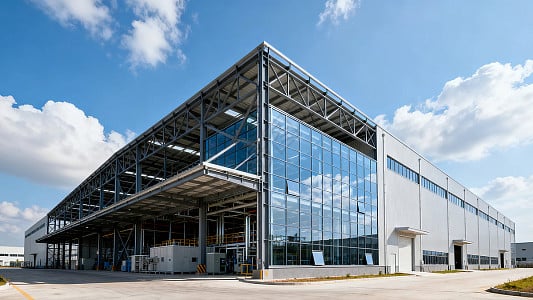
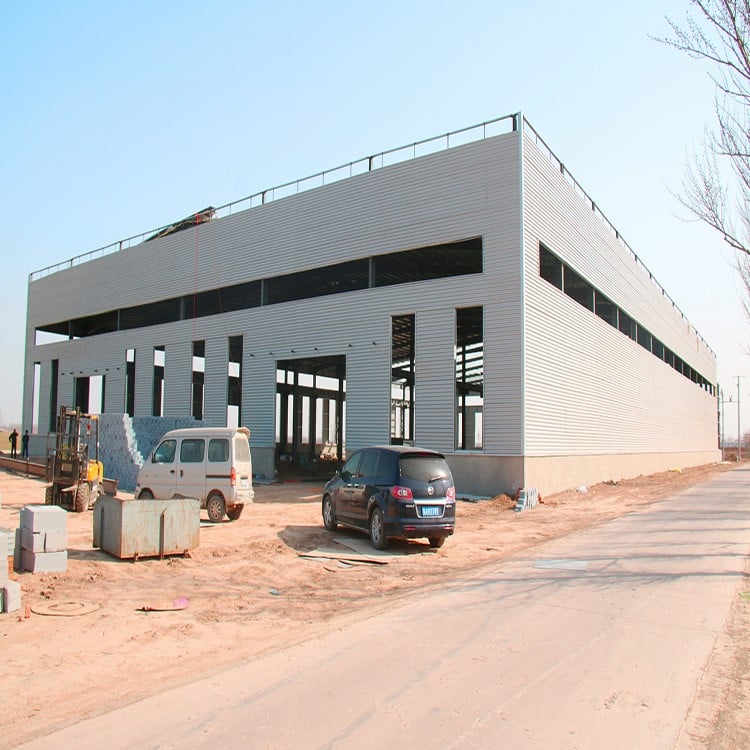
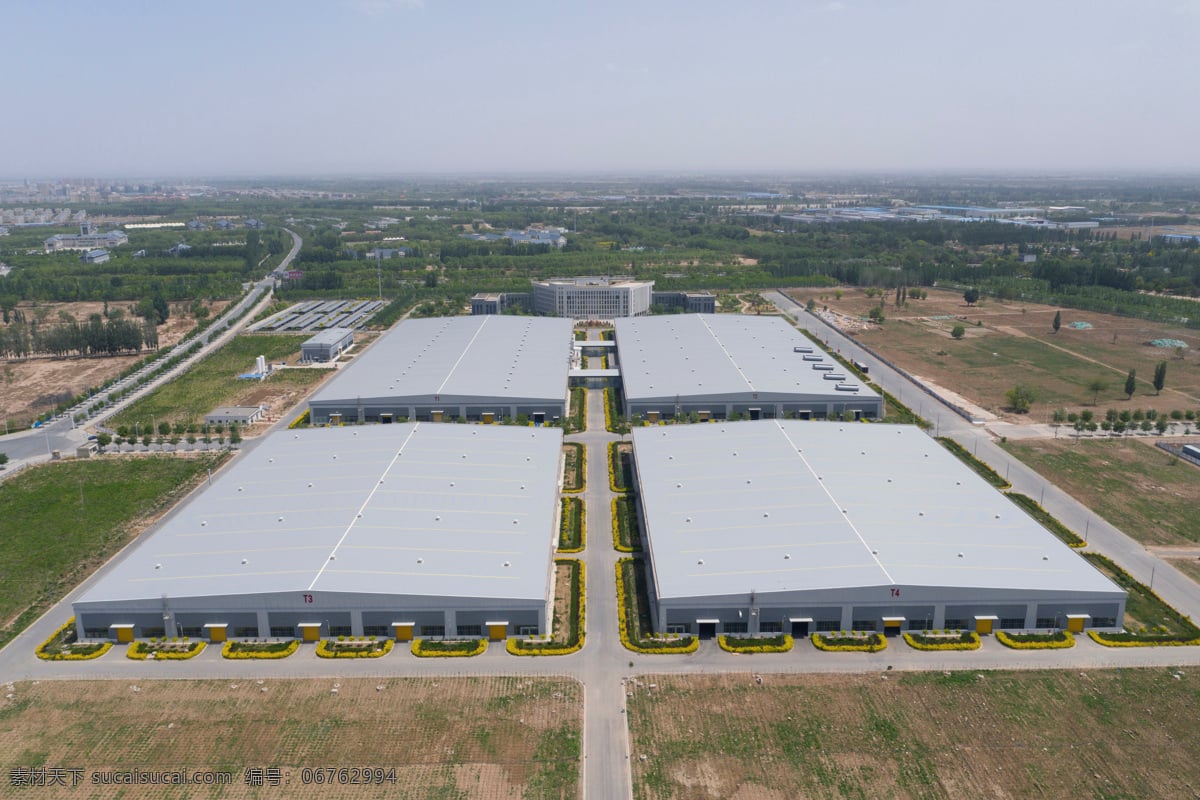
Metal workshop  buildings  are specialized structures  designed  to  meet the unique needs of manufacturing  and industrial operations.  These facilities are essential for businesses that require  dedicated  spaces for  fabrication,  assembly, and  storage of metal components. When considering a metal workshop building, B2B buyers often focus on  specifications, costs, installation  processes, applications, and the benefits of using high-quality materials. This article will provide valuable  insights into these  areas, helping purchasing  managers  and  other decision-makers make informed  choices.

Why choose Xingyuanxing metal workshop building

Our Products

Key Specifications for High-Quality Metal Workshop Buildings

When selecting a metal workshop building,  several key specifications  should be evaluated to ensure  it meets your operational needs.  These specifications typically include:

Material Type: Most metal workshop buildings are constructed from steel, which offers  excellent strength and durability. The choice between galvanized steel and pre-painted  steel can affect corrosion resistance and  maintenance  requirements.

Dimensions: The size of the building  should align  with your  specific operational needs, including workspace requirements, equipment size, and storage capacity. It’s crucial to plan for future expansion, as business growth may necessitate additional space.

Load-Bearing Capacity: Understanding  the load requirements is vital,  particularly if heavy machinery will be housed within the building. The structural design must support these loads without compromising safety  or integrity.

Insulation: Depending on your operational environment, insulation  may  be necessary to regulate temperature and enhance energy efficiency. Different insulation options can impact heating and cooling costs significantly.

Ventilation and Lighting: Adequate ventilation and lighting are crucial for maintaining a safe and productive work environment. Features such as skylights and exhaust systems should be considered during the design phase.

These specifications are foundational  in ensuring that the metal workshop  building can efficiently support operations and  meet regulatory standards.

Frequently Asked Questions

Our Blog Posts

What Our Partners Say

How to Evaluate Cost Factors for Metal Workshop Construction

How to Evaluate Cost Factors for Metal Workshop Construction

Cost is a major consideration when  planning a metal  workshop building. Several  factors contribute  to the overall expense:

Material Costs: The price of steel can fluctuate  based on  market conditions. Buyers should stay informed about current pricing trends and consider sourcing materials from manufacturers  like Tianjin Xingyuanxing Color Steel Structure  Co., Ltd., known for stable quality and competitive pricing. Additionally, understanding the different types of Secondary steel structure can help in making cost-effective decisions.

Design  Complexity: Custom designs or features like  large openings for machinery can increase costs. A straightforward design typically incurs lower expenses, while complex structures may require advanced engineering.

Labor Costs: Installation costs can vary significantly based on the complexity of the building and local labor rates. It’s advisable to  obtain multiple quotes from qualified contractors.

Permitting and  Site Preparation: Costs associated with obtaining necessary permits and  preparing the site for construction should not be overlooked. These can vary widely depending on local regulations.

Long-Term Operational Costs: Consider the lifetime  cost of ownership, including maintenance,  energy efficiency, and potential modifications. Investing  in quality materials may reduce long-term costs by minimizing  repairs and  energy consumption.

By understanding these cost factors, buyers can create  a more accurate budget  and make informed decisions about their investment.

Installation Guidance for Durable Metal Workshop Structures

Installation Guidance for Durable Metal Workshop Structures

Proper installation is critical to ensure the longevity and durability of metal workshop buildings. Here are essential steps and considerations for a successful installation:

Site Assessment: Conduct a thorough site survey  to determine soil stability and drainage. This assessment will inform foundational requirements and help prevent future structural issues.

Foundation Preparation: The foundation must be engineered to support the weight and load of  the building. A concrete slab is commonly used, but the thickness and reinforcement details should be specified based on  load calculations.

Assembly Process: Follow  the  manufacturer’s guidelines for assembly. Experienced installers familiar  with  metal structures can  facilitate a smoother installation process and help in adhering to safety standards.

Quality  Control Checks: Regular inspections during installation can help identify  potential issues. Ensuring that all components are correctly aligned and secured will enhance the building’s stability.

Post-Installation Review: After  completion, conduct a comprehensive  review of the building to ensure all systems, including electrical and HVAC, are functioning correctly. This final  inspection helps  catch any issues that  could affect operations.

By focusing  on these installation practices, businesses can maximize the longevity of their metal  workshop buildings and  minimize future repair costs.

Applications of Metal Workshop Buildings in Various Industries

Applications of Metal Workshop Buildings in Various Industries

Metal workshop buildings are versatile and find applications across multiple  industries, including:

Manufacturing: These buildings serve as production facilities for metalworking, assembly lines, and quality  control processes.

Automotive: Workshops dedicated to  vehicle repair and assembly benefit from specialized layouts designed for equipment  access and workflow efficiency.

Construction: Metal workshops are often used for fabricating components on-site, allowing  for quicker assembly and  reduced  transportation  costs.

Aerospace: These facilities require high levels of  precision  and cleanliness,  making specially designed metal workshops ideal for manufacturing aircraft components.

Logistics and  Warehousing: Many companies utilize  metal workshops as  storage spaces for  goods and materials, taking advantage  of their durability and security. Additionally, the choice of a robust Roof system can enhance the overall efficiency of these spaces.

Understanding the various  applications can help buyers identify the right workshop  design  suited for their specific industry needs.

Benefits of Using Quality Materials in Metal Workshop Construction

The choice of materials in metal workshop construction directly impacts performance, safety, and longevity. Here are some benefits of using high-quality materials:

Longevity and Durability: Quality  materials, such as high-grade  steel, can withstand harsh environmental conditions and heavy usage, reducing the frequency of repairs and replacements.

Safety Standards Compliance: Using certified materials ensures that the building meets regulatory safety standards, providing peace of mind for both owners and employees.

Energy Efficiency: High-quality insulation  and construction  materials can significantly reduce energy  costs by  maintaining consistent temperatures and minimizing heating and cooling requirements.

Reduced Maintenance: Premium materials often require less maintenance over time.  This not only saves costs but also minimizes disruptions to operations, allowing for smoother workflow.

Customization Flexibility: High-quality materials can  offer better customization options, enabling buyers to tailor the building to their specific needs and  operational requirements.

Investing in  quality materials for metal workshop buildings is an essential strategy for  maximizing value and  ensuring  long-term operational efficiency.

In summary, understanding the  specifications, cost factors, installation processes, applications, and material benefits are crucial steps for B2B  buyers when considering metal workshop  buildings. By focusing  on these elements, purchasing managers and decision-makers can make  informed choices  that align with  their operational goals.