Key Considerations for Color Steel Plates Buyers

application/color-steel-plate, application/color-steel-plate, 
Inquiry
Inquiry

color steel plate

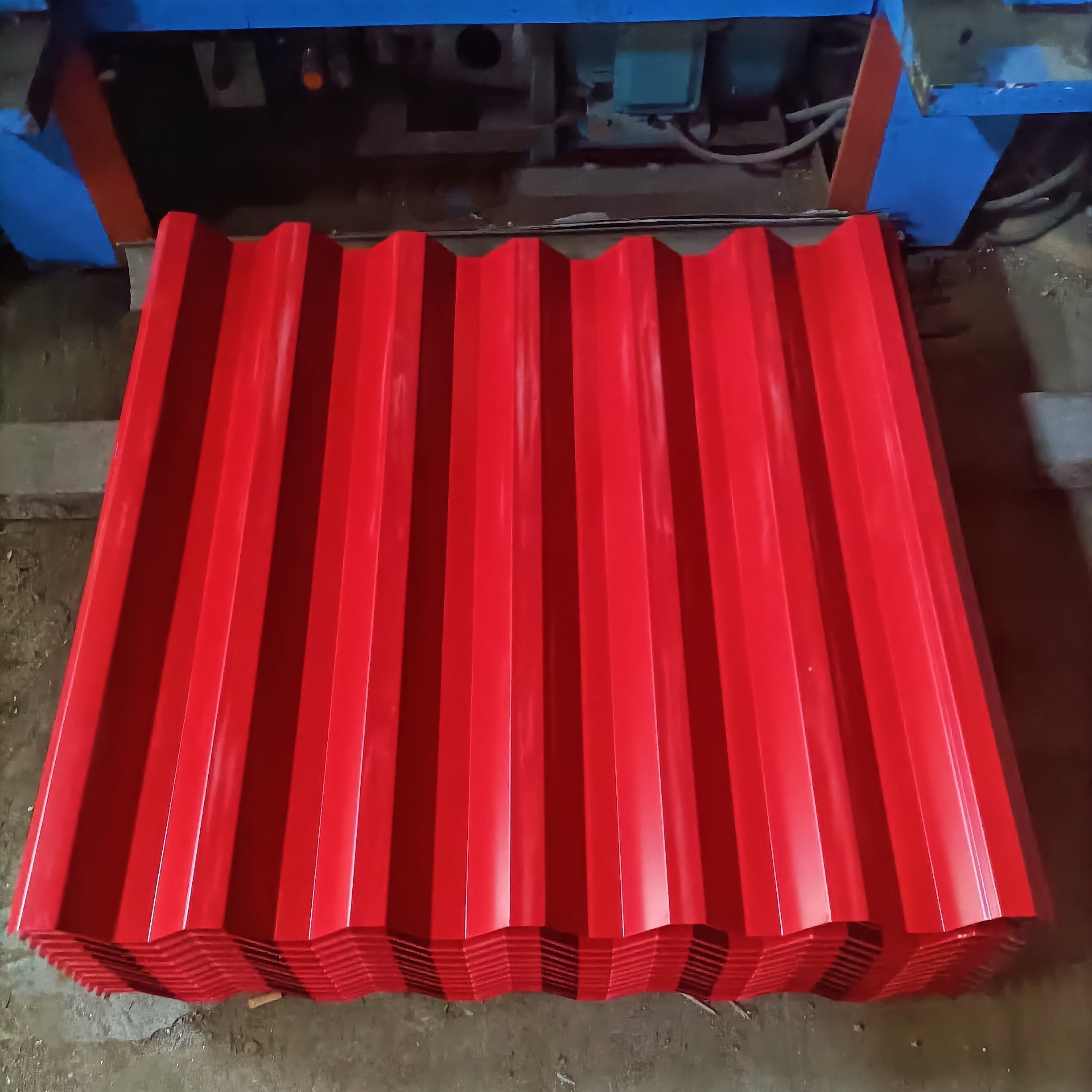
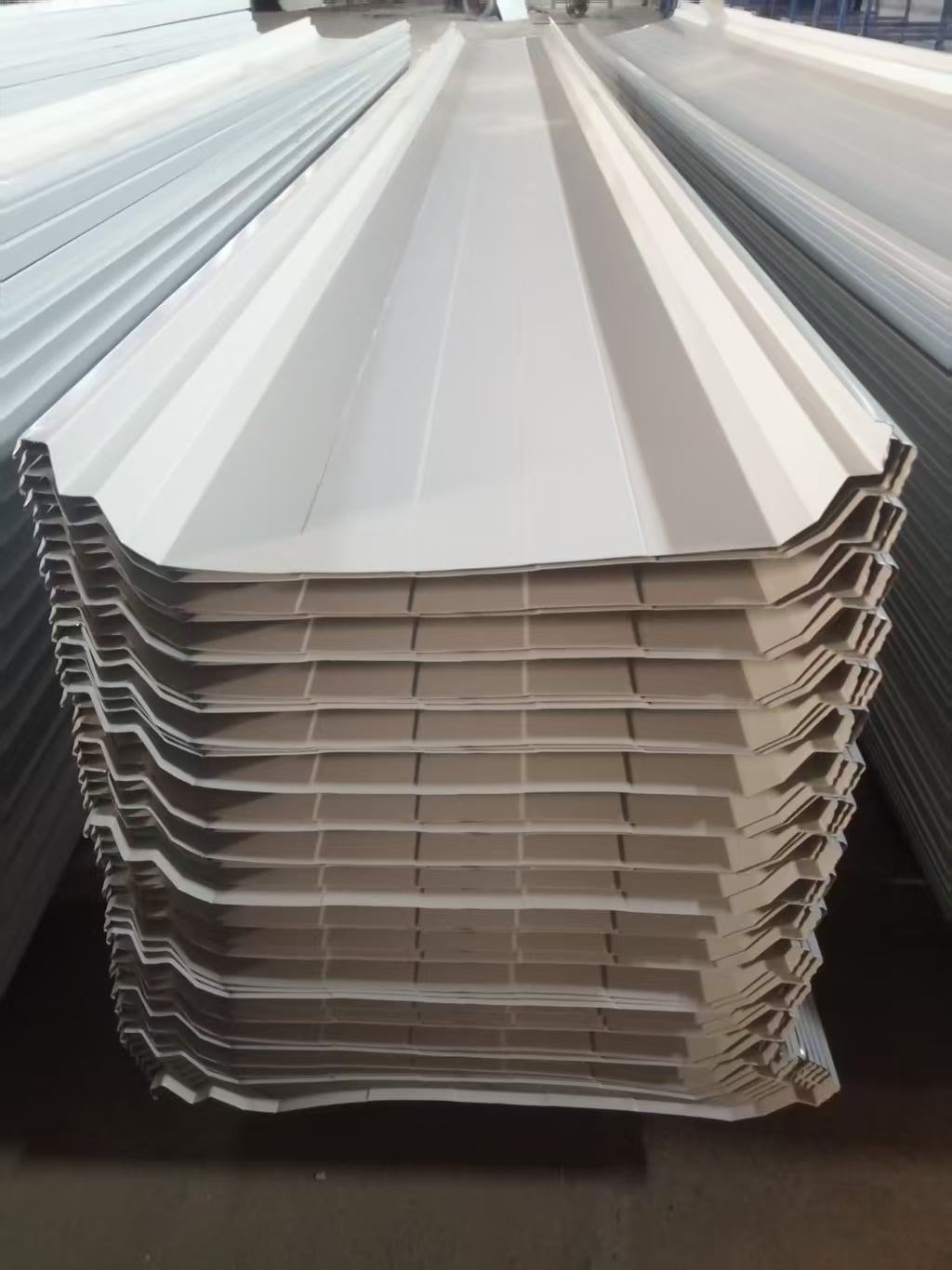
Color steel plates are versatile  building materials  widely used in  construction and  manufacturing due to their durability, aesthetic appeal, and cost-effectiveness. As a  buyer,  understanding the key  attributes  and  specifications of  color steel plates  is crucial for making  informed  purchasing decisions. This article will address the main concerns of B2B  buyers, such  as  material quality, supplier reliability, and common challenges  in the selection and use of  color steel  plates.


Why choose Xingyuanxing color steel plate

Our Products

Key Considerations for Buyers

When purchasing color steel plates, buyers should focus on several  critical factors:

Quality and Standards: Ensuring that the color  steel plates meet industry standards is vital. Look for products that comply with relevant certifications, which indicate  adherence to quality control processes.

Material Composition: The base  material often includes galvanized steel coated with a layer of color  paint. Buyers should verify the type of  coating used, as this affects both  aesthetics and corrosion resistance.

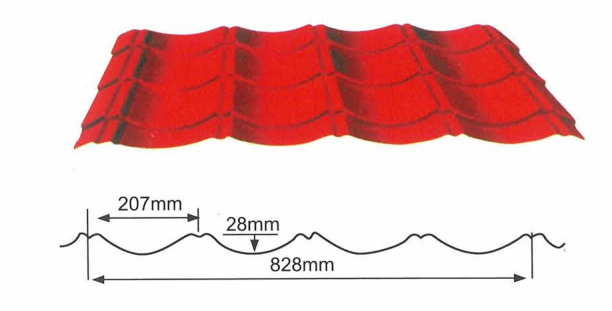
Thickness and Dimensions: Standard thicknesses can vary  based on application requirements. Buyers should confirm the  specific thickness needed for their projects as  it impacts structural integrity and performance.

Customization Options: Many manufacturers, including Tianjin Xingyuanxing,  offer  customization in terms of color,  size,  and additional features. Buyers should inquire about  these  options to  meet their  specific project needs.

Supplier Reliability: Assessing supplier capabilities, including their production capacity and delivery timelines, can influence project planning. It's advisable to work  with suppliers that have a proven track  record in the industry.

Frequently Asked Questions

Our Blog Posts

What Our Partners Say

Essential Specifications for High-Quality Color Steel Plates

Essential Specifications for High-Quality Color Steel Plates

Understanding  key specifications is essential for selecting the right color steel plates:


Coating Thickness: The durability of the color finish depends on the  coating thickness.  A standard  range is between 15 to 25 microns. Thinner coatings may lead to quicker wear and fading.

Tensile Strength: This  specification indicates how much force the material can withstand before breaking. A tensile  strength  of at least 280 MPa is typically recommended for  structural applications.

Corrosion Resistance: Look for plates treated with anti-corrosion coatings, especially if they will be exposed to harsh environments. The type of pre-treatment before painting can significantly affect longevity.

Thermal Expansion: Buyers should  consider the thermal expansion coefficient,  especially in temperature-variable  environments. This ensures that the plates maintain structural integrity under different conditions.

Aesthetic Finish:  The finish  should not only be  visually appealing but also resistant to  fading and scratching. Ensure that the manufacturer  uses  high-quality paint that  adheres well to  the substrate.

Where to Find Reliable Suppliers of Color Steel Plates

Where to Find Reliable Suppliers of Color Steel Plates

Finding a trustworthy supplier for color steel  plates  involves several  steps:

Industry Research: Start by conducting thorough research on manufacturers  in the  industry. Look for companies with extensive experience, such as Tianjin  Xingyuanxing, known for their expertise in steel  structure engineering and color steel production.

Request for Proposals (RFPs): Prepare  detailed RFPs that outline your specific needs, including product specifications, quantities, and delivery timelines. This helps suppliers provide more  accurate quotations.

Evaluate  Capabilities: Check the supplier’s manufacturing capabilities,  including their production  equipment and  quality control processes. This will give insight into their ability to meet your requirements consistently.

Customer  Reviews and References: Seek feedback from other businesses that have worked with potential suppliers. This provides a clearer picture of their reliability  and product quality.

Visit  Facilities: If possible, visiting a supplier’s  manufacturing facility  can help you  assess their operations and quality control measures  firsthand.

Common Problems with Color Steel Plates and Effective Solutions

Common Problems with Color Steel Plates and Effective Solutions

While color steel plates offer  numerous advantages,  buyers should be aware of potential  issues:


Color Fading: Over time, exposure to UV light and harsh weather  can  lead to color fading. Solutions include selecting high-quality coatings designed for long-lasting color retention.


Corrosion: Inadequate protective coatings can lead to rust and corrosion. Buyers should ensure that the plates have undergone proper  treatment and inspection for defects before delivery.

Warping:  Temperature fluctuations can cause warping in thinner plates. To mitigate this, ensure that  the plates are of  appropriate thickness and  stored correctly during transportation.

Surface Defects: Imperfections  on the surface can affect  both aesthetics and performance. Implementing  a rigorous quality control inspection process before acceptance can help catch  these defects early.


Installation Challenges: Misalignment during installation can lead to structural issues. Providing clear installation guidelines  and ensuring that  installation teams  are well-trained can alleviate these problems.

Best Practices for Contractors

For contractors working with color  steel plates, following  best practices can  enhance project outcomes:

Pre-Construction Planning: Analyze project specifications thoroughly  to ensure that selected color steel plates meet  all requirements, including load-bearing capacity and environmental conditions.

Sample Approval: Before committing to a large order, request  samples to verify that  the product meets expectations in terms of color, finish, and dimensions.

Quality Inspections: Conduct  regular inspections during the manufacturing process to ensure that the  product adheres to defined specifications. This  includes checking  for any defects  or inconsistencies.


Proper Storage: Store color steel plates in a dry, covered area to prevent moisture accumulation, which can lead to  corrosion.

Training for Installation Teams: Ensure that installation teams are familiar with best  practices for handling and installing color steel  plates to avoid damage and  ensure proper alignment.

By following these guidelines, buyers and contractors can enhance their  purchasing decisions and ensure successful project execution with color steel plates. Understanding product specifications, supplier capabilities, and common challenges  is crucial for optimizing  the use of this material in various applications.