Choosing Quality Carport Framing for Your Projects

application/carport-framing, application/carport-framing, 
Inquiry
Inquiry

carport framing

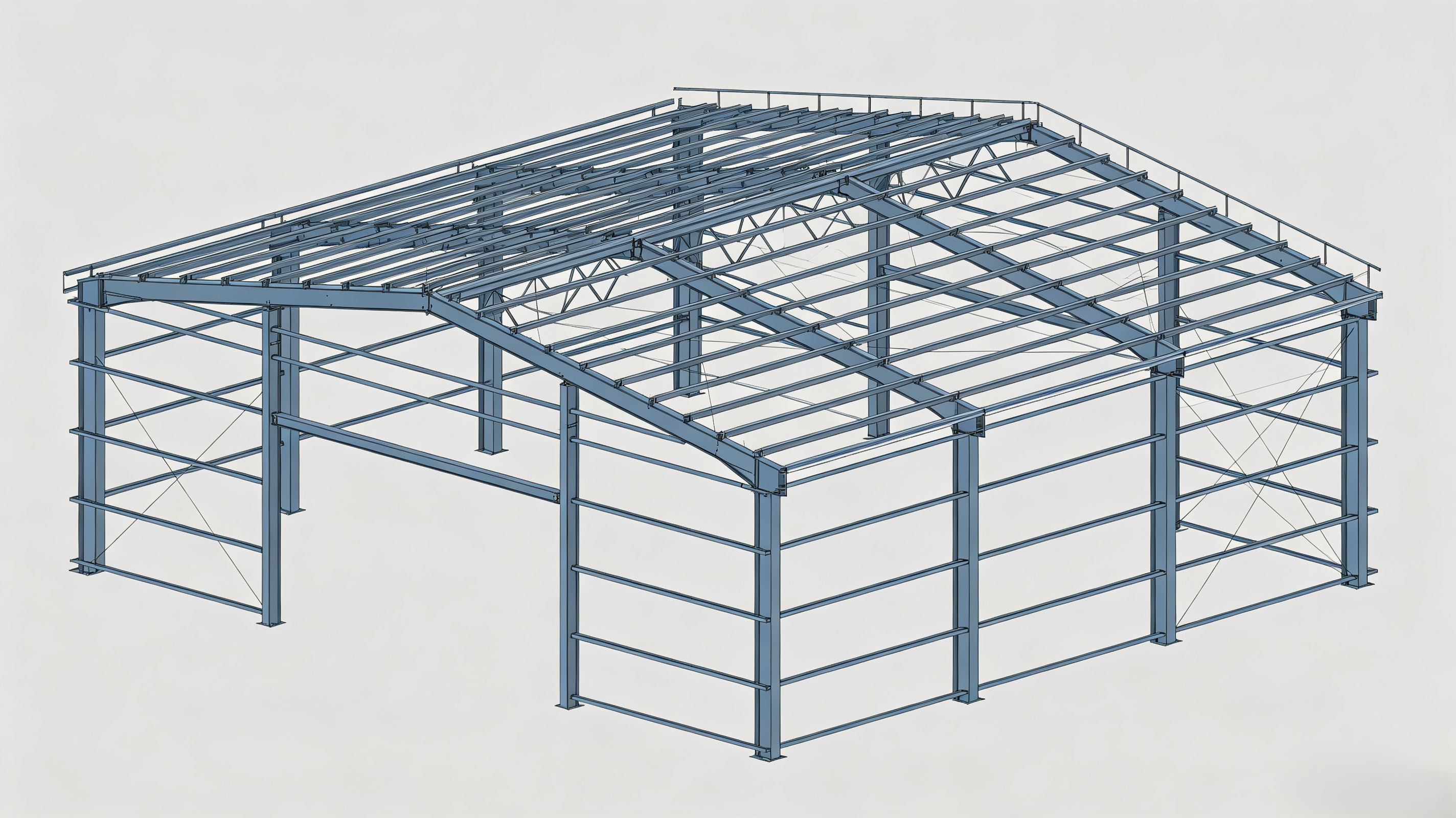
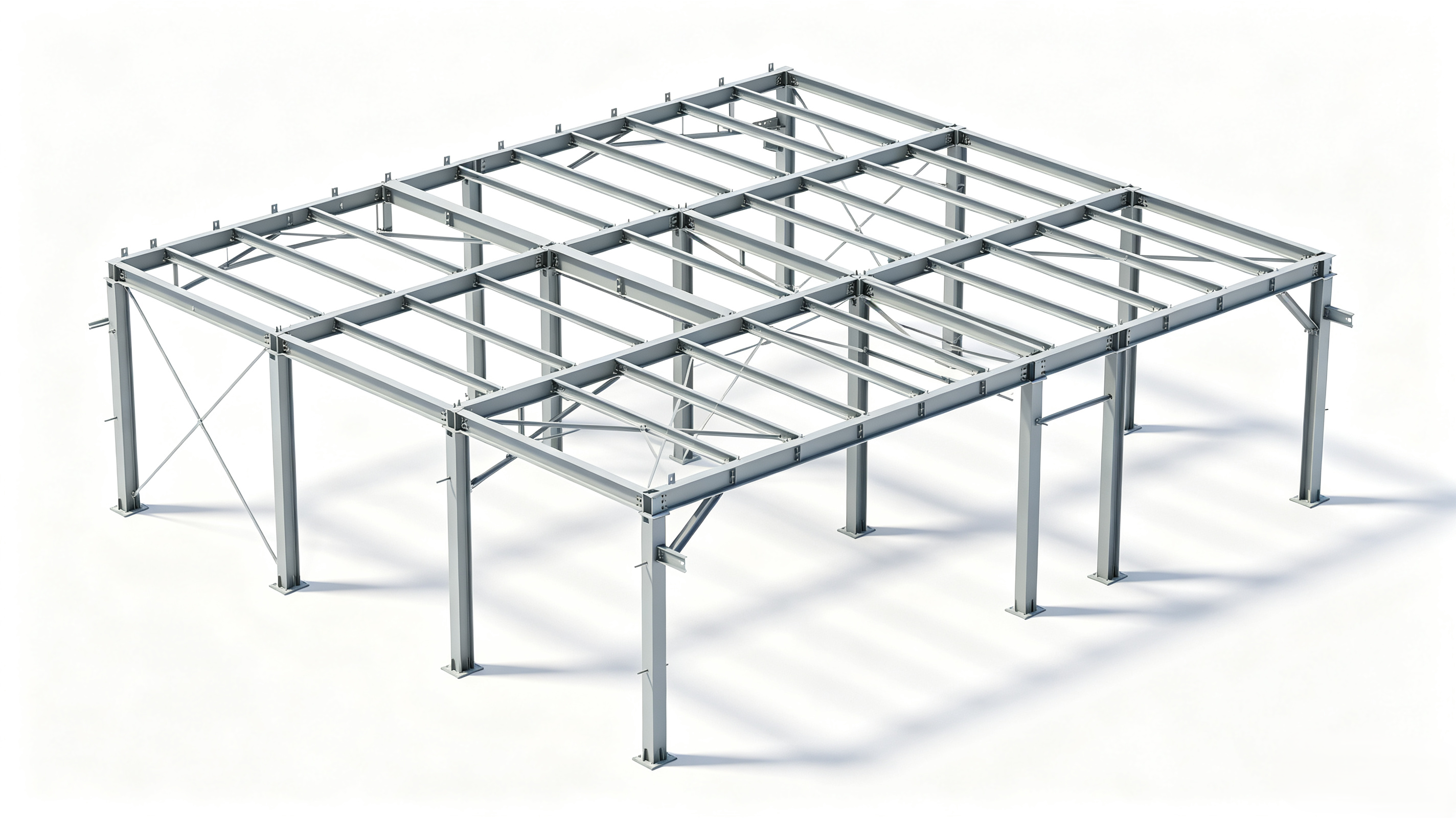
Carport  framing plays a crucial role in the construction of durable and reliable carports,  providing the necessary support and structure for various  applications.  For  purchasing managers and project planners,  understanding how to select the  right carport framing solutions  is essential to meet budgetary constraints  while  ensuring  quality and functionality. This article will guide  you through  the key considerations  for choosing  carport  framing,  including  specifications, installation guidance, and  the  benefits of high-quality materials.

Why choose Xingyuanxing carport framing

Our Products

How to Choose Quality Carport Framing for Your Projects

When selecting carport framing, buyers should  consider several factors to ensure that the structure meets their specific needs. First, assess  the intended use  of the carport—whether it will be used for residential,  commercial, or industrial applications—as this will influence the framing requirements.

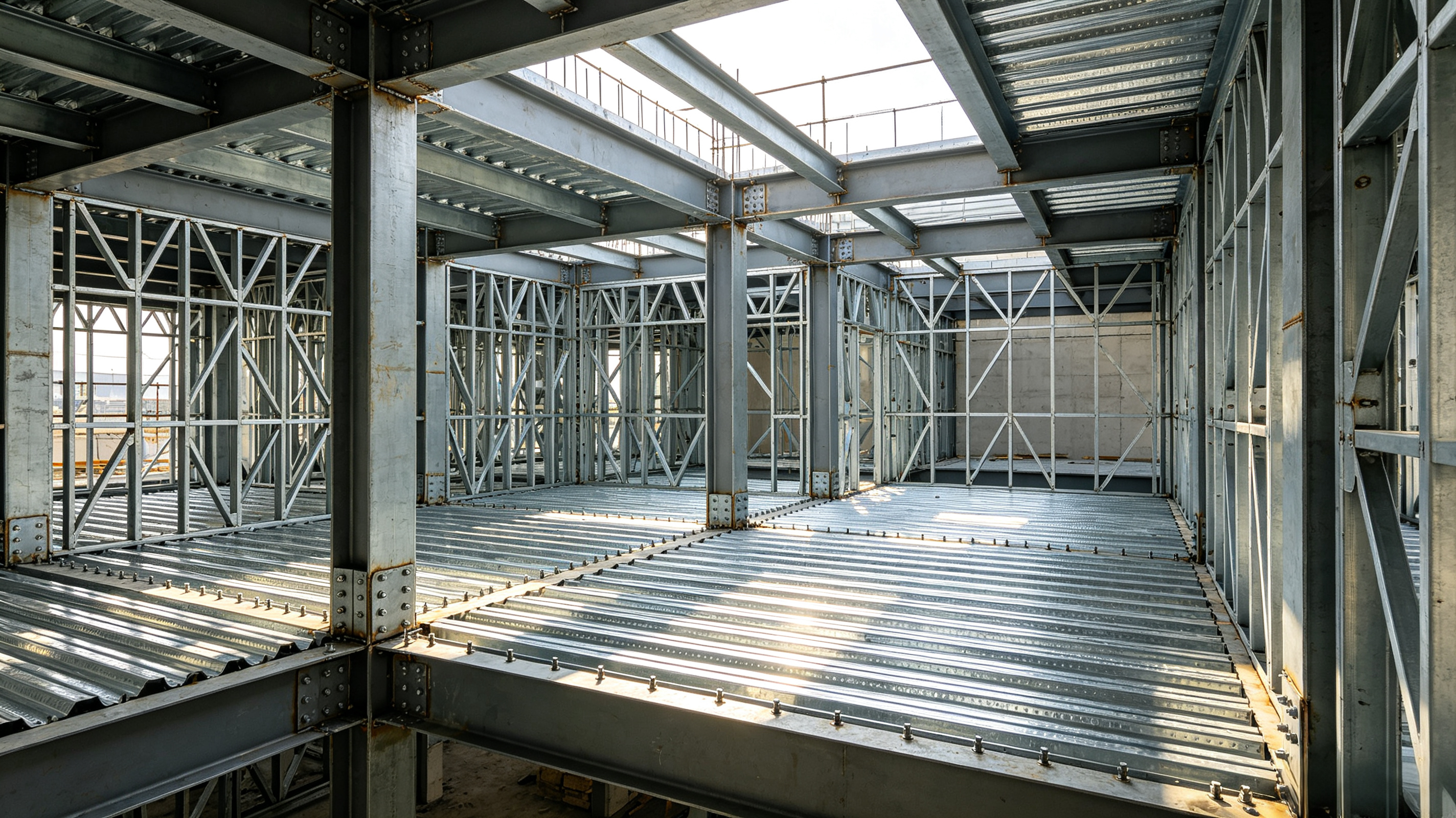
Next, consider the  material options available. Common materials for carport framing include  steel,  aluminum,  and  wood. Steel framing is often preferred for its strength and  durability, particularly  in regions with harsh weather conditions. Buyers  should also evaluate the gauge  of the steel, as thicker gauges provide greater strength and longevity. For example, investing in a quality Secondary steel structure can enhance the overall durability of your carport.

Additionally, consider the environmental  factors  the carport will face.  For instance, areas prone to heavy  snowfall or high winds may require reinforced framing to withstand these conditions. Consulting with manufacturers, such  as  Tianjin Xingyuanxing Color Steel Structure Co., Ltd., can help you understand which materials and specifications  are best suited for your project, including options like a robust Roof system for added protection.

Frequently Asked Questions

Our Blog Posts

What Our Partners Say

Key Specifications to Evaluate in Carport Framing Materials

Key Specifications to Evaluate in Carport Framing Materials

Evaluating specifications is vital to ensuring that the carport framing will perform effectively over its intended lifespan. Key  specifications to consider include:

Material  Thickness: The thickness of the steel or aluminum used in the framing  should match the structural requirements.  A thicker material can better withstand bending and deformation under load.

Load Capacity: Understand the load  requirements for the carport, including the weight of vehicles, snow load, and  wind load.  This information will help you select framing that can safely support the intended loads.

Surface Treatment: For metal framing, surface treatments such as galvanization  or powder  coating can enhance corrosion resistance, which is especially important in outdoor applications. Verify that the treatment meets the environmental conditions of  the installation site.

Dimensions: Ensure the dimensions  of  the framing components are appropriate for  the design of the  carport. Custom sizes may  be necessary based on specific project requirements.

Connection Types: The method of connecting framing components can affect the overall strength and stability of the carport. Consider whether welding, bolting, or other methods will be used and  how  they  impact the assembly  process.

By carefully evaluating these specifications, buyers can make informed  decisions that align with their project needs.

Installation Guidance for Efficient Carport Framing Setup

Installation Guidance for Efficient Carport Framing Setup

Proper installation is key to the longevity and effectiveness of carport  framing. Here are some practical steps to follow:

Site Preparation: Before  installation, ensure the site is level and free of debris. This  will provide a stable foundation for the carport.

Assembly Instructions:  Follow the manufacturer's assembly instructions closely. This includes understanding  the order of  assembly and any specific requirements for  securing connections.

Use of  Tools: Utilize appropriate  tools  for installation, including drills,  wrenches,  and levels. Ensuring that all connections  are tight and secure is crucial for structural  integrity.

Safety Measures: Implement  safety measures during installation, such as using protective gear and ensuring that all team members are aware of their roles to minimize accidents.

Final Inspection: After installation,  conduct a thorough inspection of  the framing  to check for any loose connections or structural issues. Addressing these concerns  early can prevent future problems.

By adhering  to these guidelines, buyers can ensure an efficient installation process that enhances the durability of the carport.

Benefits of Using High-Quality Materials in Carport Framing

Benefits of Using High-Quality Materials in Carport Framing

Investing in high-quality materials for carport framing offers numerous advantages:

Durability: High-quality materials, particularly galvanized or powder-coated steel,  provide enhanced resistance to corrosion,  rust, and wear, thereby extending the lifespan  of the carport.

Lower Maintenance Costs: Durable framing requires  less frequent repairs and  maintenance, leading  to long-term cost savings. This  is  particularly beneficial for commercial applications where  uptime is critical.

Enhanced Safety: Quality materials ensure that the carport can withstand  environmental stresses, protecting vehicles  and property from potential damage due to structural failure.

Aesthetic Appeal: High-quality materials can also contribute to the overall appearance of the carport,  allowing for  customization options that can enhance  the visual appeal of the structure.

Sustainability:  Investing in durable materials can contribute to sustainability  goals by reducing  the need for replacement and minimizing waste over time.

By  prioritizing  high-quality materials, buyers can ensure that their carport framing meets  their expectations for performance, safety, and longevity.

Applications of Carport Framing in Various Construction Projects

Carport framing is versatile and can be applied in numerous construction projects beyond simple vehicle protection. Key applications include:

Residential  Use:  Homeowners often use  carports to protect vehicles from the elements, providing a cost-effective alternative  to full garages.

Commercial Structures: Businesses frequently employ carport framing  to create covered parking areas for employees and customers, enhancing convenience  and vehicle safety.

Industrial Applications: In  industrial settings, carport framing can be used for equipment storage  or as canopies over loading docks, providing protection from harsh weather conditions.

Recreational Structures:  Carports can also serve  as shelters for outdoor recreational vehicles,  such as boats and RVs, protecting them from  sun  and rain.

Community Projects: Municipalities may utilize  carport framing in public spaces, such as parks or community  centers, to provide  shaded areas for gatherings and  events.

Understanding these applications helps buyers recognize the versatility of carport framing  and how it can meet various functional needs across different sectors.  

By following the guidance provided, B2B buyers can  make informed decisions regarding carport framing, ensuring that their projects benefit from quality materials, effective  installation, and practical applications tailored to their specific requirements.