Choosing Quality Steel Prefabricated Houses

application/steel-prefabricated-house, application/steel-prefabricated-house, 
Inquiry
Inquiry

steel prefabricated house

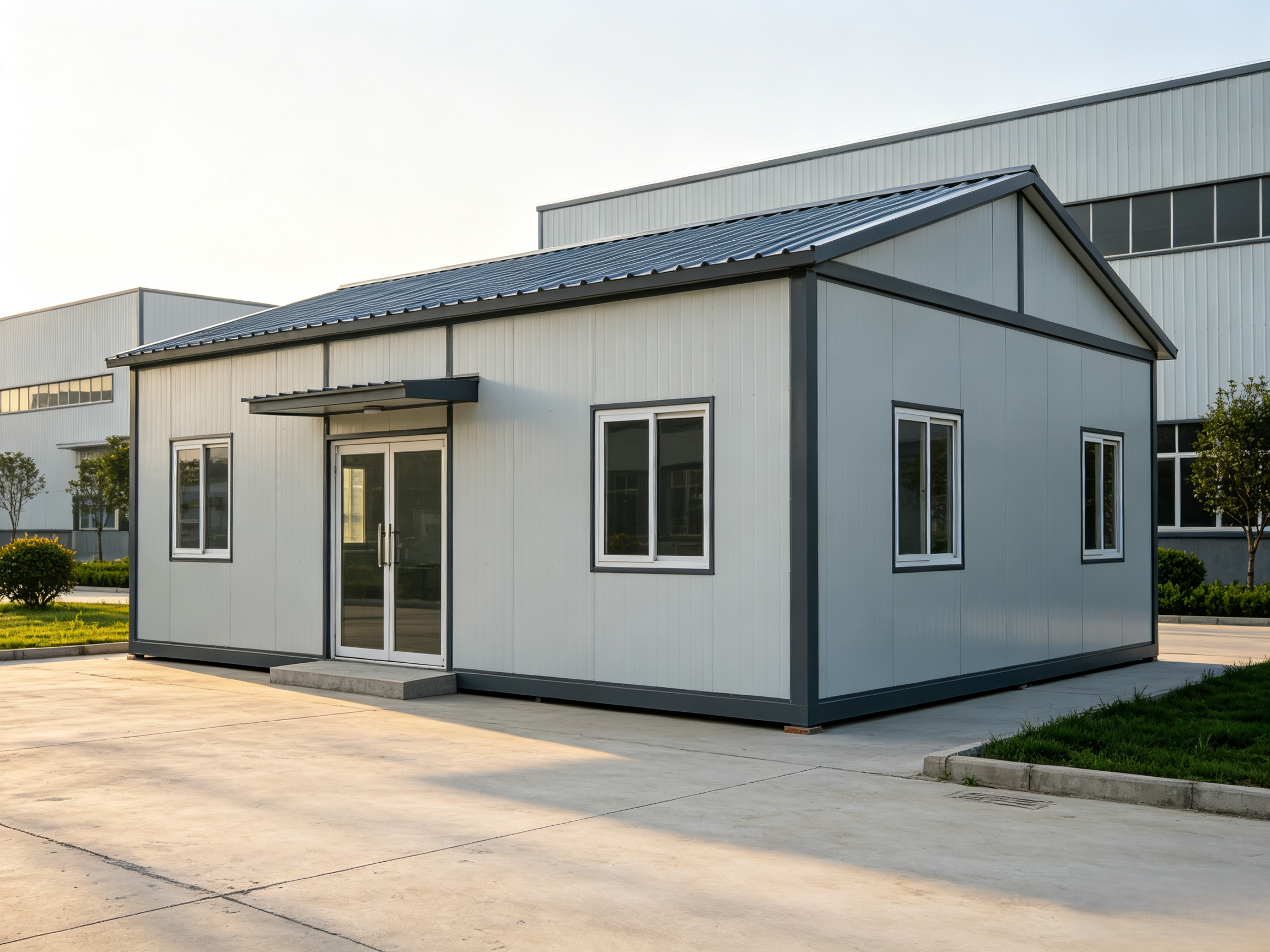
Steel prefabricated houses are an innovative construction solution, offering rapid assembly and efficient resource use. As a  B2B buyer—whether  you are  a  purchasing manager,  engineer,  or product manager—your primary  concerns often revolve  around quality, application suitability, and cost-effectiveness. This article  aims  to guide you through  evaluating steel prefabricated  houses, exploring  purchasing  options, understanding  their  applications,  and providing  expert installation  guidance.


Why choose Xingyuanxing steel prefabricated house

Our Products

How to Evaluate the Quality of Steel Prefabricated Houses

When assessing the quality of steel prefabricated houses, several  key specifications must be considered. First, the  material quality is crucial; look for high-strength steel  that meets industry  standards such as ASTM A992 for structural steel or equivalent specifications. This ensures durability and resistance  to environmental stresses.

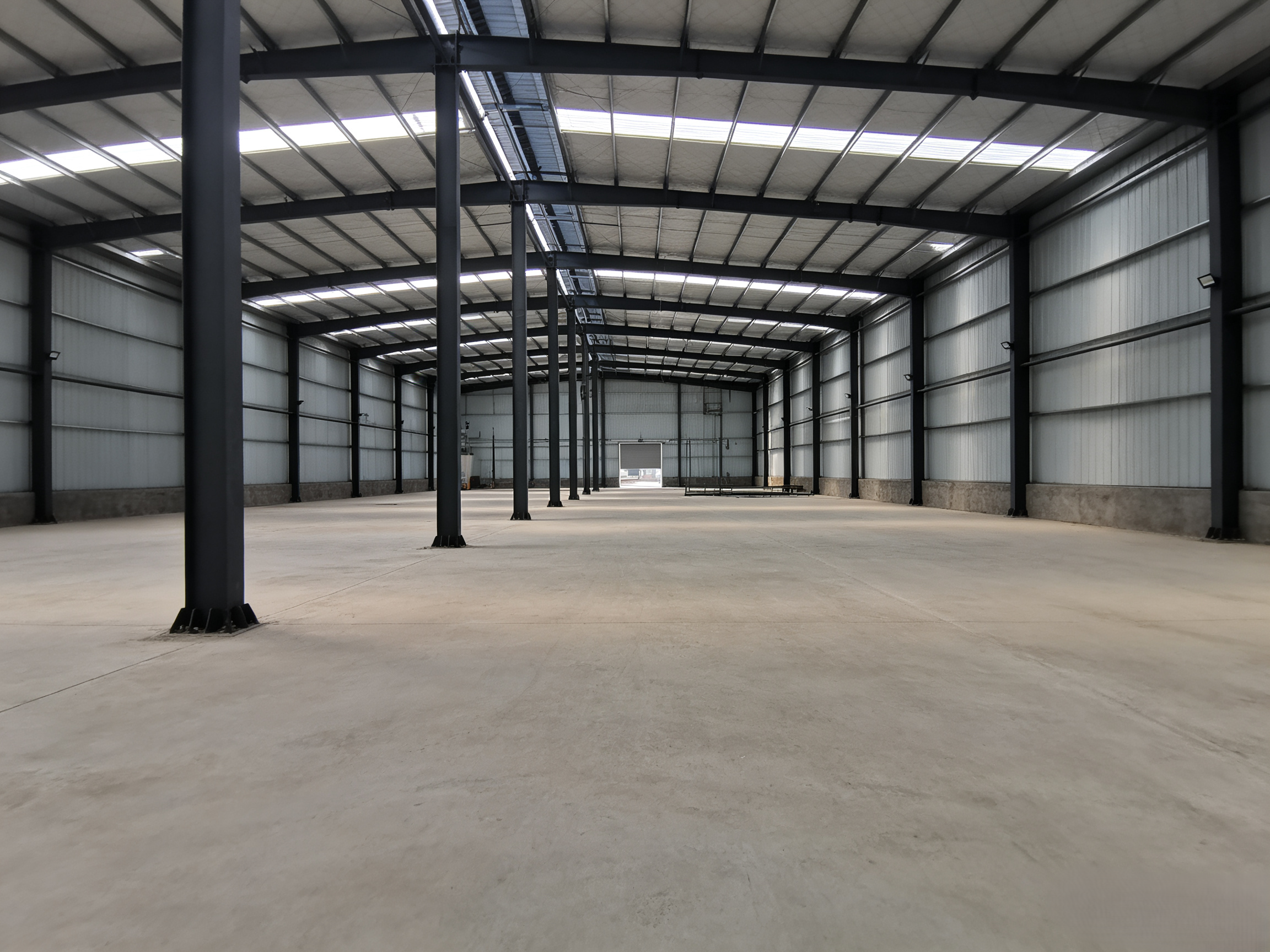
Next, consider the fabrication  process. Steel  components  should be manufactured  using advanced techniques like laser cutting and robotic welding to guarantee precise dimensions and strong  joints. A reputable supplier will have a quality control system in place, which includes testing for weld integrity and overall structural soundness. For example, the secondary steel structure plays a vital role in enhancing the overall integrity of the house.

Additionally, the finishing process  impacts both aesthetics and longevity. A protective  coating,  such as galvanized or powder-coated finishes, can enhance corrosion resistance.  Buyers should  inquire about the  manufacturer's testing protocols for these finishes.

Lastly, it’s  essential  to review any certifications that the manufacturer holds, as these indicate compliance with safety and quality  standards. Look for ISO certifications, which reflect a commitment to maintaining high-quality products.


Frequently Asked Questions

Our Blog Posts

What Our Partners Say

Wholesale Purchasing Options for Steel Prefabricated Houses

Wholesale Purchasing Options for Steel Prefabricated Houses

Wholesale purchasing of steel prefabricated houses offers numerous advantages, including cost savings and bulk  availability.  Potential buyers  should first determine their minimum order quantity (MOQ)  which can  vary by manufacturer. Understanding the MOQ is vital for budgeting and inventory management.

When negotiating prices, consider volume discounts based on orders of  multiple units or larger structures. Establishing  a long-term relationship with a  supplier can also lead  to better pricing  and more favorable payment terms.

Furthermore, ensure that you clarify the lead time for production and delivery. Factors such as material availability and current production capacity can significantly impact your project's timeline. It's advisable to get a clear timeline  in writing before confirming your  order.

Lastly, examine the  packaging  and shipping methods. Steel components should  be adequately protected during transit to prevent damage. Discuss with your supplier how they  handle packaging and the  measures they  take  to ensure  safe delivery.

 
Top Applications for Steel Prefabricated Houses in Construction

Top Applications for Steel Prefabricated Houses in Construction

Steel prefabricated houses are versatile and can be  used in  various applications within the construction  industry. Common uses include:


Residential Buildings: These  structures are increasingly popular  for housing developments  due to their rapid assembly and lower costs compared to  traditional construction  methods.

Commercial Spaces: From offices to  retail environments,  steel prefabricated houses offer flexible designs that can accommodate diverse layouts and functionalities.

Temporary  Structures: They are ideal  for temporary facilities, such as site offices, medical clinics, or classrooms, as they can be quickly erected and dismantled.

Disaster Relief: In regions affected by natural disasters,  prefabricated houses can  provide immediate shelter solutions, showcasing their rapid  deployment capabilities.

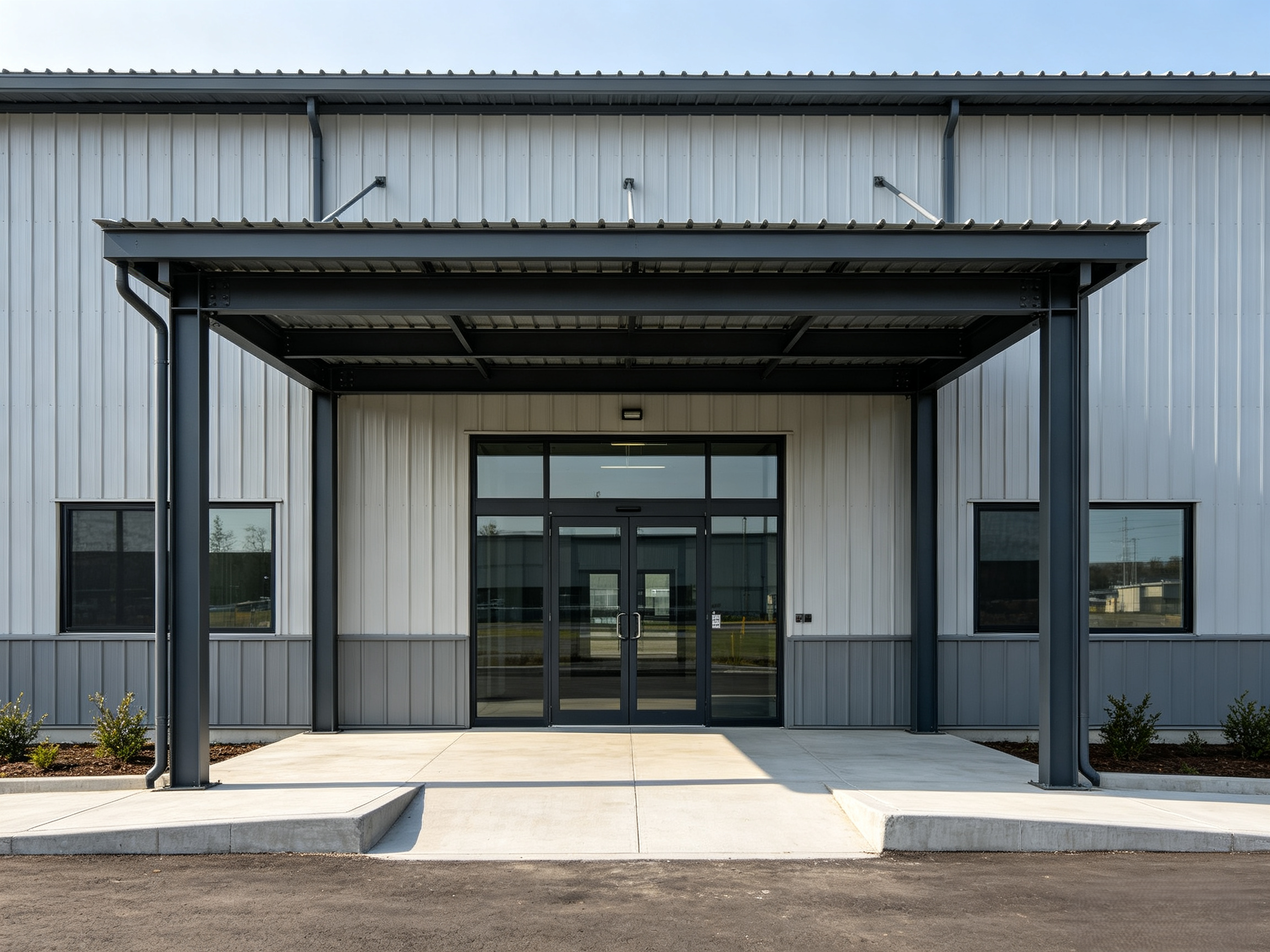
Buyers should consider the specific requirements  of each  application,  such as load-bearing capacities and insulation needs, to ensure that  the selected structure meets performance standards. For example, the factory building of steel structure is designed to meet various industrial standards.

 
Expert Installation Guidance for Steel Prefabricated Houses

Expert Installation Guidance for Steel Prefabricated Houses

Successful installation of steel prefabricated houses is pivotal to their  performance and  longevity. Begin by ensuring  that  the foundation is properly prepared, as this is  critical for structural integrity. The foundation must be  level and capable of supporting the weight  of the steel framework.

During installation, it's essential to follow the manufacturer’s assembly instructions closely. Ensure  that all components, including  steel frames and panels, are aligned correctly to avoid future structural issues. Engaging experienced installers  who understand steel construction can make a significant difference in the quality of the assembly.

Additionally, regular inspections during the installation process can help identify any  issues early, such as misalignment  or  incomplete connections. Once  the  structure is assembled, conduct a thorough quality check  to confirm that  all components  meet the specified requirements.

Finally, consider discussing ongoing  maintenance with the supplier. While  steel structures are durable, they still require periodic inspections and maintenance, particularly on joints and painted surfaces, to prolong their lifespan.


A Buyeru2019s Guide

When preparing to purchase a steel prefabricated house, several key elements should be documented for an effective  Request  for Quotation (RFQ). First, specify the type and model of the  structure you require, along with detailed dimensions and any specific material requirements.

Next, provide  information about the intended application of the house. This will help  the manufacturer recommend suitable designs  and materials to meet your performance expectations.

Don’t forget to mention  quantity and potential customization needs, as these factors will influence  pricing and lead times.  For example, if you  require specific openings for windows or doors, provide those details to avoid misunderstandings later in the process.

Lastly, discuss packaging and delivery logistics. Specify your delivery destination to assess  shipping costs and potential lead time impacts. By  providing  comprehensive information upfront, you can facilitate a smoother quotation  process and ensure that the final  product  aligns with your expectations. 

In summary, understanding the quality, purchasing options, applications, installation, and essential buyer considerations can significantly improve your  decision-making process when  investing in steel prefabricated  houses.