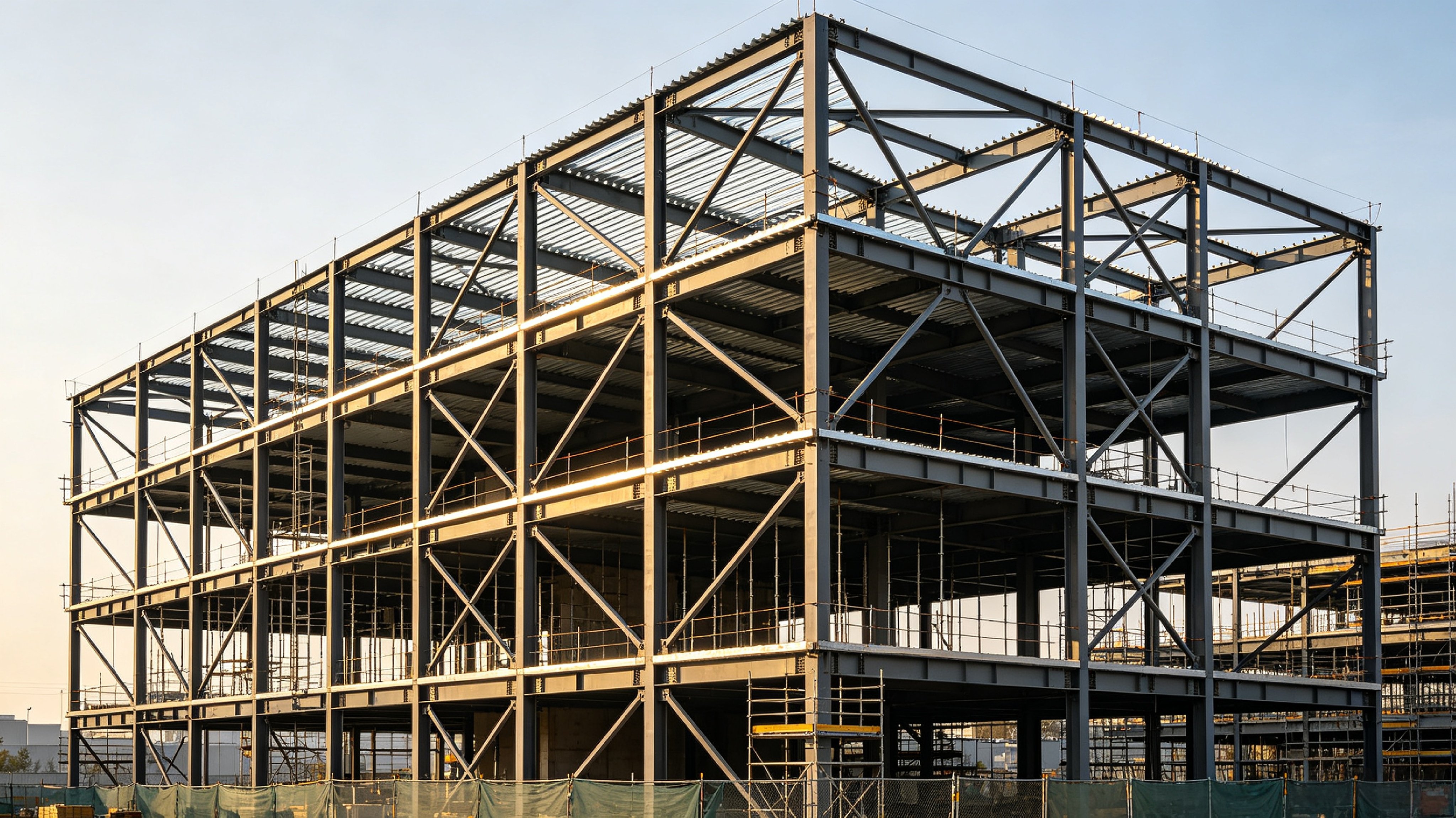
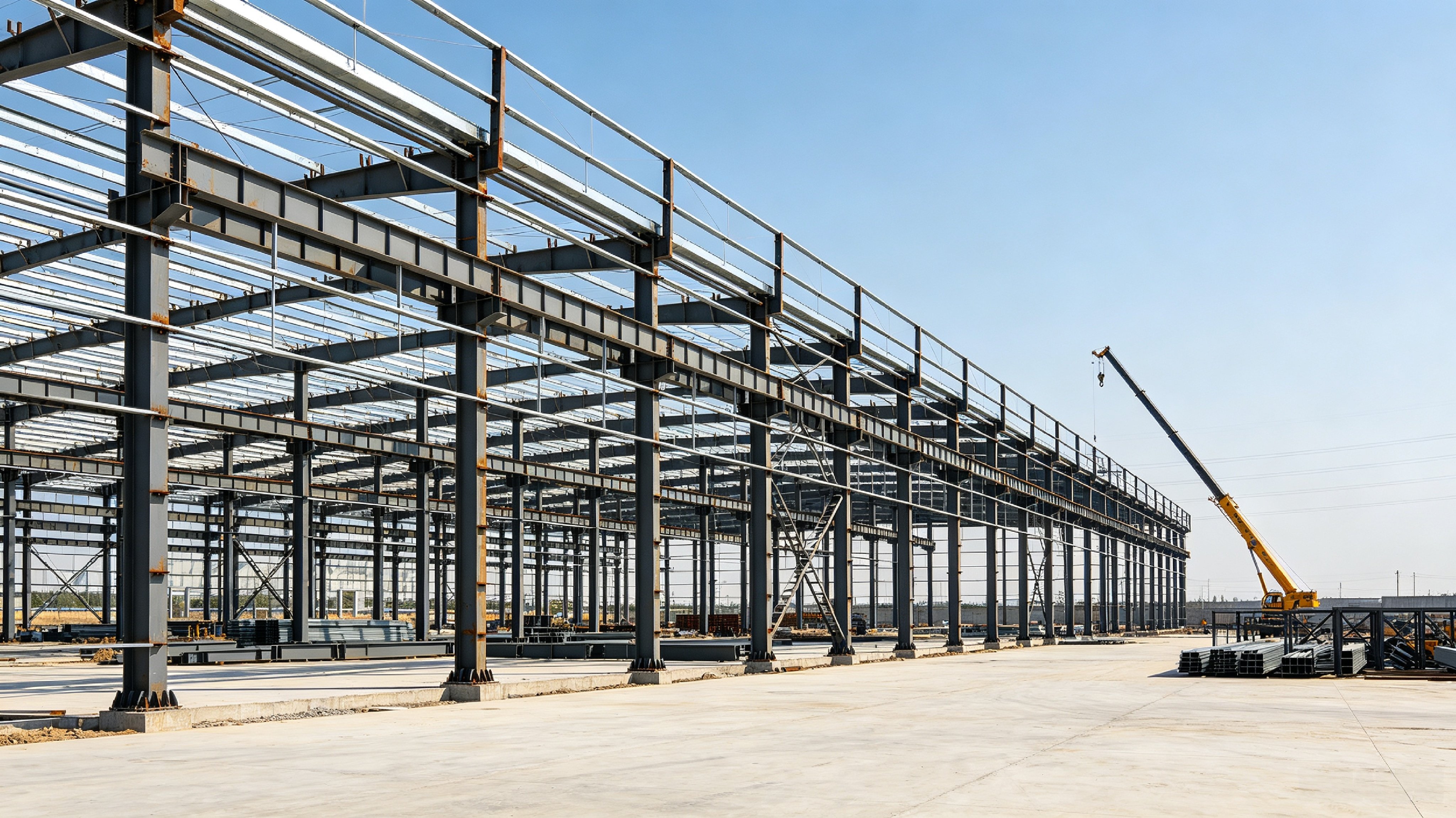
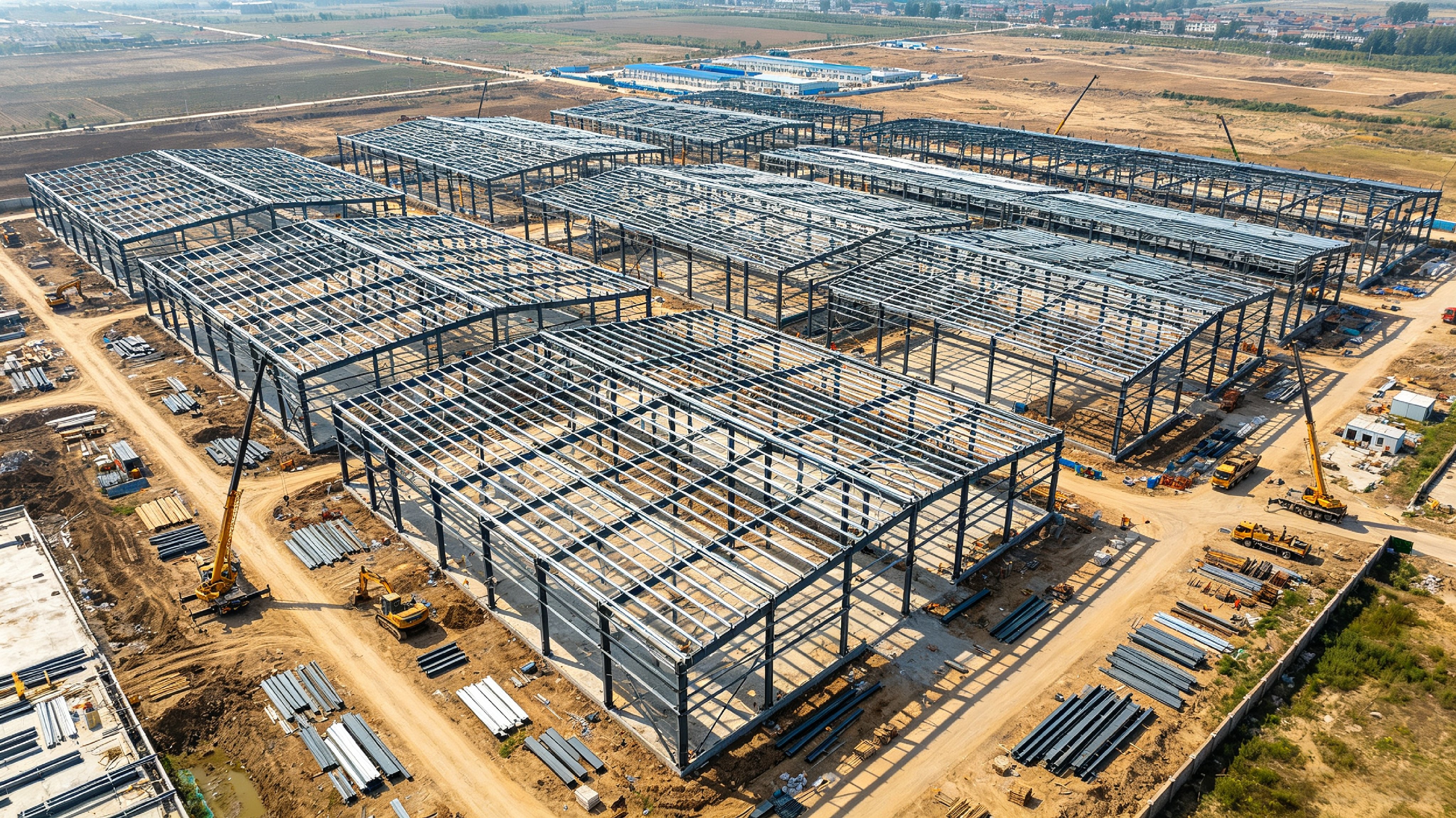
Selecting the Right Factory Building Materials

application/factory-building, application/factory-building, 
Inquiry
Inquiry

factory building

In the  manufacturing  sector, selecting the right  factory building is critical  for operational  efficiency  and long-term  sustainability.  A factory building  is not just a physical structure; it encompasses essential elements such as  materials, design, and  functionality that directly influence productivity and cost-effectiveness. This article  aims to address key concerns for  B2B buyers, including material selection, quality control, and common issues related  to  factory buildings. By  understanding these elements, purchasing managers and engineers can make  informed  decisions that align with  their  project requirements.

Why choose Xingyuanxing factory building

Our Products

Selecting the Right Factory Building Materials for Your Project

Choosing the right materials for a factory building is fundamental to ensuring its durability and performance. The selection process should start with  an  evaluation of the specific environmental conditions the  building will face. For instance, if the facility  is located  in an area prone to severe weather, materials  such as high-strength steel or reinforced concrete  may be more appropriate.

Color steel, a specialty  of Tianjin Xingyuanxing Color Steel Structure Co.,  Ltd., offers a blend of durability and  aesthetic appeal. It is  lightweight yet strong, making it  suitable  for various applications. Buyers should consider the coating and treatment processes of the color steel, as these impact corrosion resistance and longevity. Additionally, it is important to consider the use of a Secondary steel structure for added support and durability.

Additionally, compatibility with machinery and operational workflows must  be assessed. If heavy machinery will be used, the structure  must support the  load requirements. Working closely with the supplier to understand  material  specifications and their implications  on performance is vital.

Frequently Asked Questions

Our Blog Posts

What Our Partners Say

Quality Control Standards for Reliable Factory Building Solutions

Quality Control Standards for Reliable Factory Building Solutions

Quality control plays a crucial role in the construction of factory buildings. Effective  quality assurance processes ensure that materials and structures  meet required standards and specifications. Buyers  should  inquire  about the manufacturer's quality  control systems, including testing  procedures for raw materials  and finished products.

Tianjin Xingyuanxing implements rigorous quality control measures throughout the  fabrication  and installation stages. This includes inspections at  each phase of construction, ensuring that  all components  meet the  specified standards. Buyers should  ask for documentation of these quality  control  processes and any relevant certifications that the manufacturer holds.  This information helps mitigate risks  associated with structural failures  and enhances overall project reliability.

How to Evaluate Factory Building Specifications for Your Needs

How to Evaluate Factory Building Specifications for Your Needs

Evaluating the specifications of a  factory building  requires a thorough understanding of both the project  requirements and applicable building codes. Key specifications to consider include:

Dimensions: Ensure that the dimensions of the building accommodate the necessary workflow  and machinery. A building that is  too  small can lead to operational inefficiencies.

Load Capacity: This encompasses both the weight of the building materials and the operational loads from machinery and stored goods. Understanding the load-bearing  capabilities is essential for safety and functionality.

Energy Efficiency: In today’s market, energy-efficient buildings are  increasingly important. Consider factors such as insulation, energy-efficient windows, and HVAC systems, which can significantly reduce operational costs.

Customization: Depending on the  specific needs  of your business,  customization options may be  necessary. Discuss  with the manufacturer about how they  can tailor the design to meet unique operational  requirements. For example, discussing the Roof system can help in customization for energy efficiency.

By analyzing  these specifications, buyers can ensure that the factory building  will not only meet current needs but  also allow for  future growth and adaptability.

Key Considerations

Key Considerations

Several key considerations should guide the decision-making process for factory building purchases:

Budget: Establish a comprehensive budget  that includes all associated costs, such as materials, labor, and  potential customization. Be mindful of the long-term cost implications of your choices.

Lead  Time: Understanding  the expected lead time  for  project completion is essential, especially when  planning for production schedules. Delays can be costly and disrupt operations.

Supplier Reliability: Evaluate potential suppliers based on their experience, reputation,  and previous projects. A supplier  with a proven  track  record, like Tianjin Xingyuanxing, can provide assurance of quality and  timeliness.

Regulatory Compliance:  Ensure that  all building  designs comply with local  building  codes and regulations.  Non-compliance  can lead to costly  fines and project delays.

Common Problems in Factory Building and Effective Solutions

Despite careful planning, common  issues can arise during the  construction and  operational phases of factory buildings. Some prevalent problems include:

Material Degradation: Over time, materials may  degrade due to environmental factors, leading to  structural integrity issues. Regular maintenance and inspections can help identify early signs of wear and tear.

Insufficient Load Capacity: A factory building that cannot support the intended loads  can lead to safety risks and operational  disruptions. Conducting thorough load assessments during the design phase can prevent  this issue.

Poor Energy Efficiency: Inefficient  energy use can  inflate operational costs. Implementing energy-efficient design practices  and materials can significantly enhance energy performance.

To address these  challenges effectively, it’s crucial to  establish a proactive maintenance schedule and work  with experienced contractors who can provide  ongoing support. Additionally, leveraging technology for monitoring structural health can  help detect  problems before they escalate.

By understanding the  intricacies of factory  building requirements and the capabilities of reliable suppliers like Tianjin Xingyuanxing, B2B buyers can make informed decisions that align with their operational goals.