How to Choose the Right Colored Steel Sheets

application/colored-steel-sheets, application/colored-steel-sheets, 
Inquiry
Inquiry

colored steel sheets

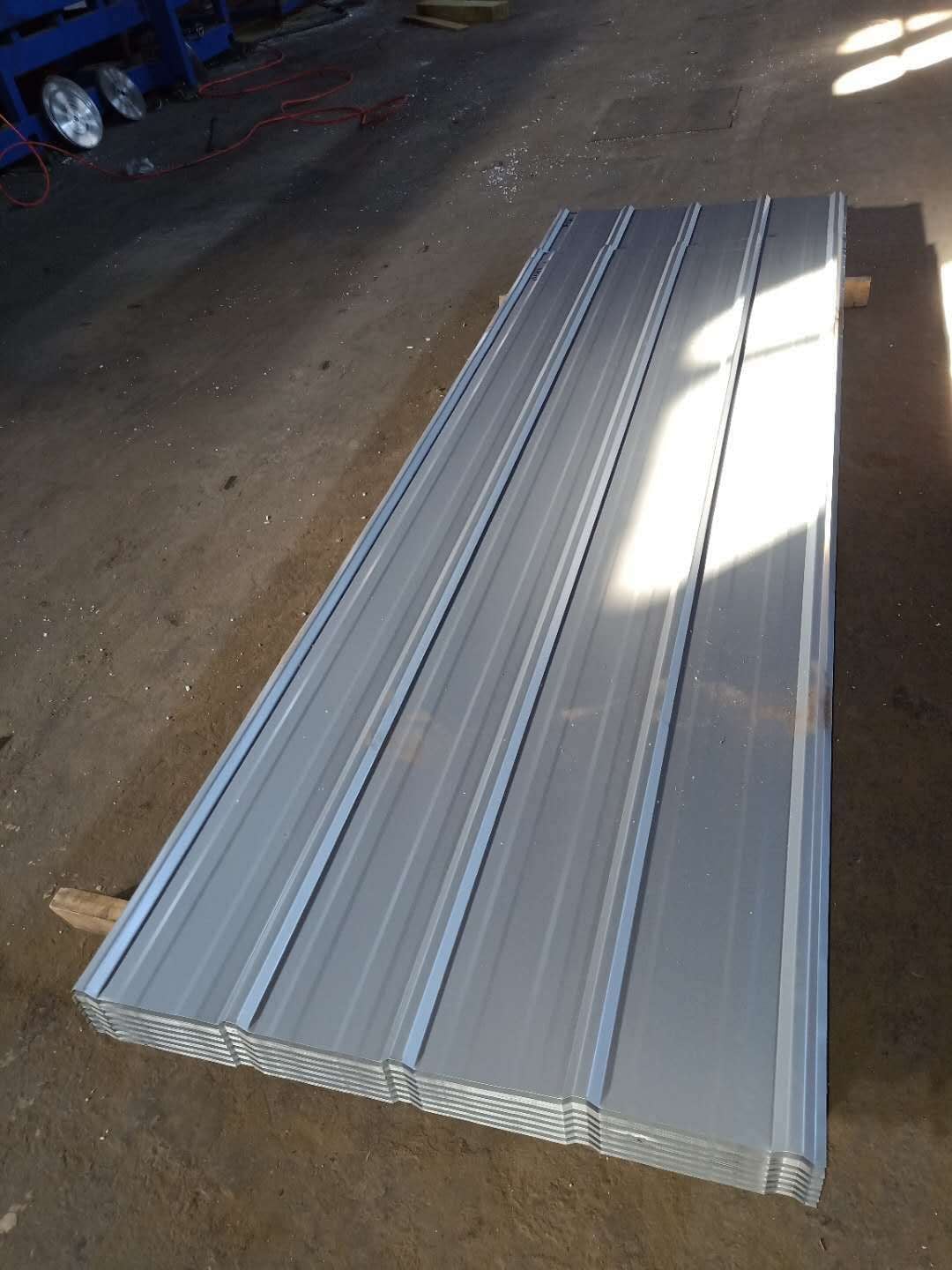
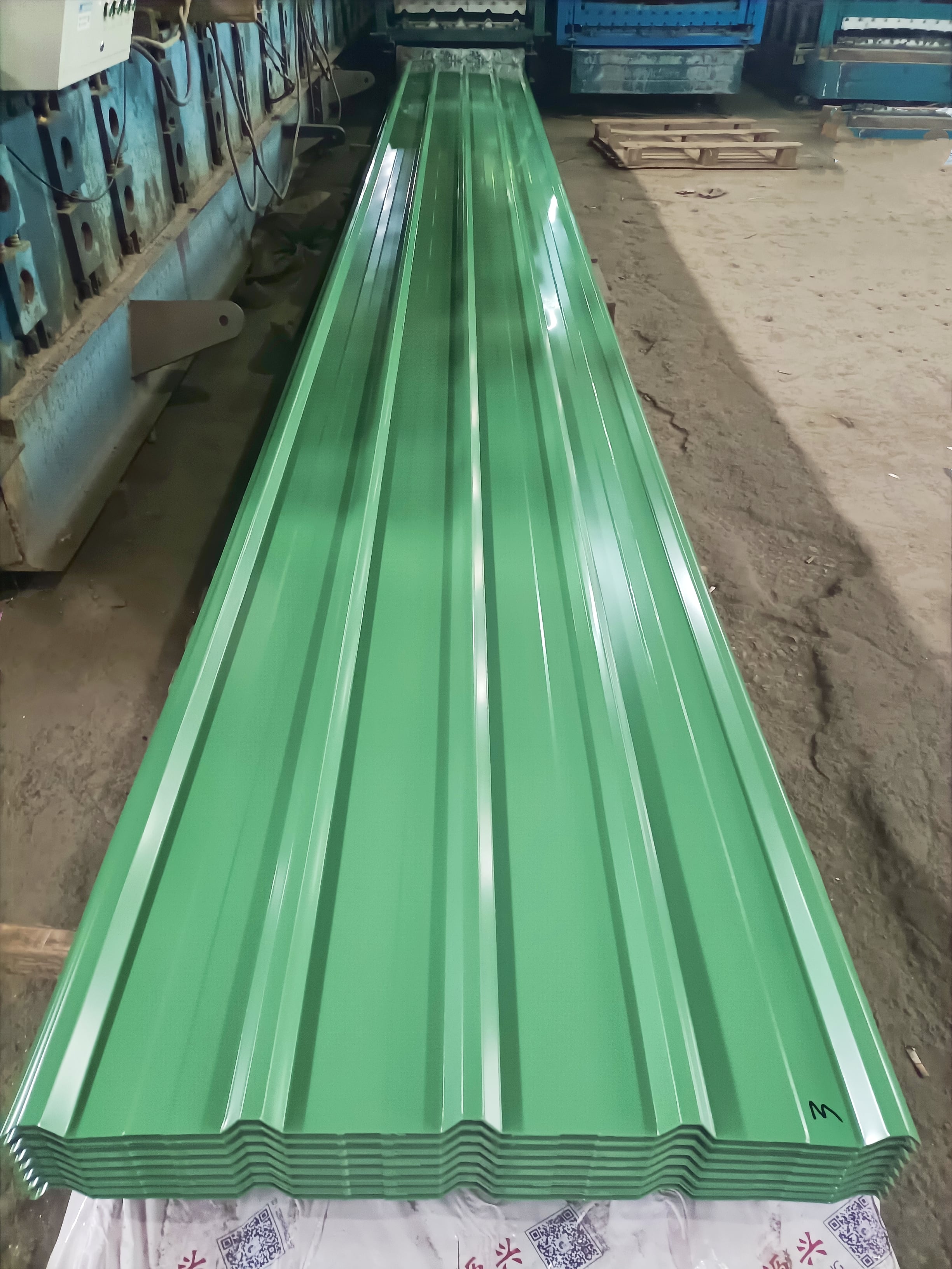
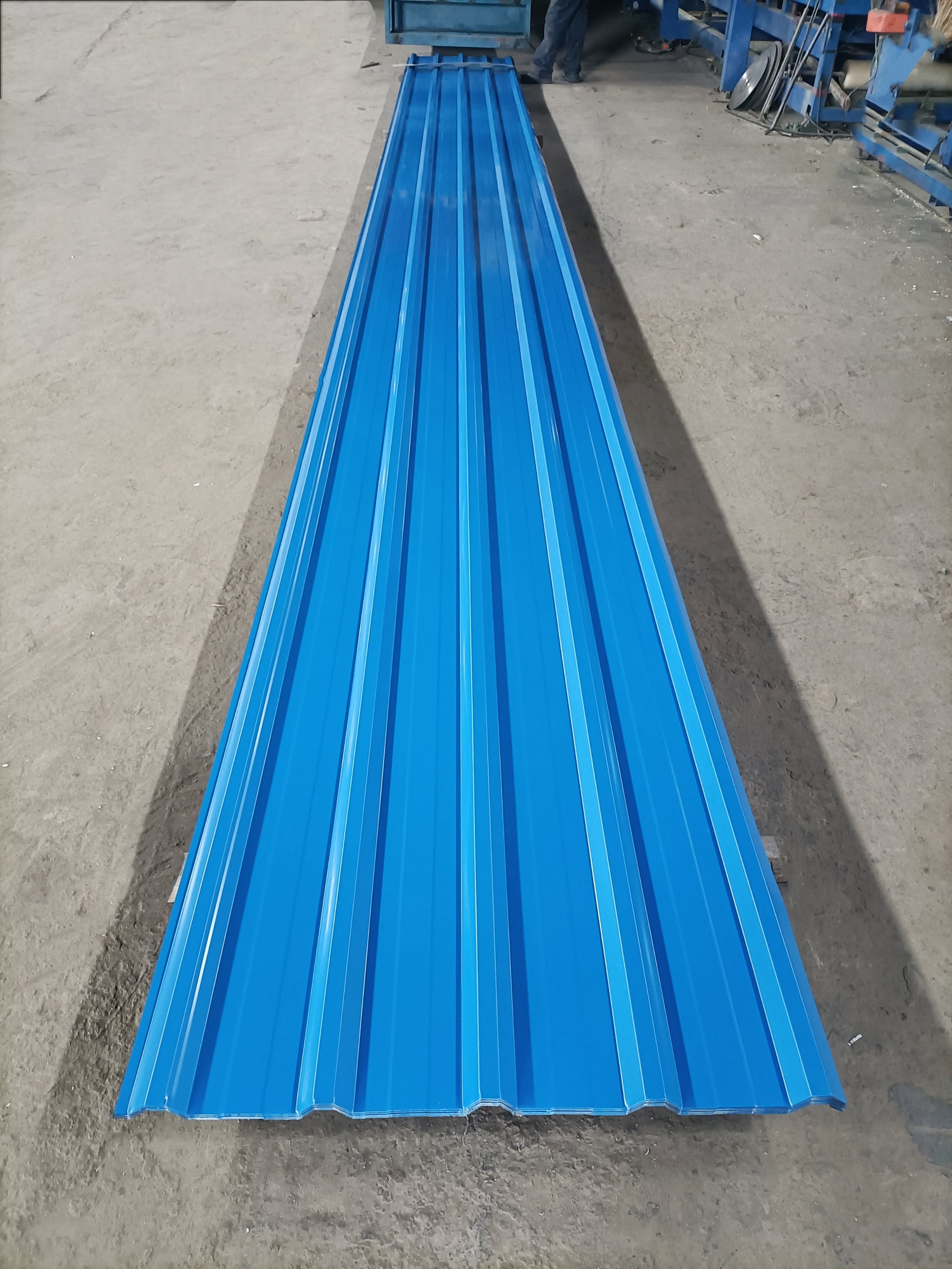
Colored steel sheets are versatile building materials that combine functionality with aesthetic appeal,  making  them a popular  choice in  various  industries. Buyers often face  challenges in selecting  the  right  products to meet their  specific  project  requirements, including  considerations about quality,  specifications, and applications. ,  we will explore how to choose colored steel sheets  effectively, discuss key  specifications that wholesale buyers should note,  highlight best  practices, address common issues and their solutions, and examine the diverse applications  of colored steel sheets.  For example, understanding the specifics of a Secondary steel structure can greatly enhance the selection process.

Why choose Xingyuanxing colored steel sheets

Our Products

How to Choose the Right Colored Steel Sheets for Your Projects

Selecting the right colored steel sheets begins with understanding the specific needs of your project.  Key factors  to consider  include the sheet's material, coating type, thickness,  and the  intended application environment. </p>

Material Selection: Common materials for colored steel sheets include galvanized steel, which offers corrosion resistance, and pre-painted cold-rolled steel,  ideal for aesthetic applications. Buyers should  assess the environment where the sheets will be used—considering factors such as exposure  to moisture, chemicals, and  temperature variations. For instance, a Roof system may require specific materials to withstand various weather conditions.

Coating  Type: The type  of  coating applied to the steel sheet impacts its durability  and appearance. Polyester coatings provide good weather resistance and color retention, while PVDF (polyvinylidene  fluoride) coatings offer superior durability  and UV resistance, making them suitable for harsh environments.</p>

Thickness and Gauge: The sheet thickness, typically measured in gauges, will affect the  strength and application. Thicker sheets are generally more durable and better suited for structural applications, whereas  thinner sheets may be appropriate for decorative purposes.

Customization Options: Depending on the project requirements, buyers may need to request custom sizes, colors, or finishes. Confirming these details early in the procurement process is crucial to ensure compatibility with your design  specifications.

By carefully considering these factors, buyers can select colored steel sheets that  align with both their aesthetic and  functional needs.

Frequently Asked Questions

Our Blog Posts

What Our Partners Say

Key Specifications of Colored Steel Sheets for Wholesale Buyers

Key Specifications of Colored Steel Sheets for Wholesale Buyers

When purchasing colored  steel  sheets in bulk, several key specifications must be reviewed to  ensure that the materials meet industry standards and project requirements:</p>

Dimensions: Standard sizes are often available, but buyers should confirm the dimensions required for their specific applications. Custom sizes may be available depending on the  manufacturer’s capabilities.</p>

Weight and Thickness: The weight of the steel sheet is directly  related to its thickness and material. Confirming these specifications ensures that the sheets will perform as expected under load.</p>

Coating Thickness: The thickness of the paint or coating  is critical for durability. A  thicker coating can enhance resistance  to scratching and  weathering, which is particularly important for exterior applications.</p>

Mechanical Properties: Buyers should  examine tensile strength,  yield strength, and elongation specifications. These properties determine how the steel will perform  under stress and its suitability for various applications.

Quality Certifications: Ensure that the manufacturer has quality control processes in place and  complies with relevant standards, such as ISO certifications. This assures that the colored steel  sheets have  been tested for  quality and  performance.</p>

Understanding and confirming these specifications will help buyers avoid common pitfalls associated with  incorrect material selection.</p>

Best Practices

Best Practices

To  ensure a smooth purchasing process and optimal product performance, consider the  following best practices:</p>

Request Samples: Before making bulk purchases, request  samples to assess the  quality  and appearance of  the colored steel  sheets. Evaluate the  samples under the same conditions they will face in  the  final application.</p>

Inspect  for Quality: During the inspection process, check for surface defects, coating uniformity, and accurate dimensions. This helps in identifying any potential issues before mass production.</p>

Communicate Clearly: Maintain  open communication with your supplier regarding your specific needs and concerns.  Providing detailed technical drawings or specifications can help in achieving the desired results.</p>

Plan for  Lead Times: Account for production and shipping lead times when planning your project. This is particularly important if custom sizes or  colors are required, as these can extend delivery times.</p>

Documentation: Ensure that all agreements, including specifications and delivery terms, are documented. This minimizes misunderstandings and  provides  a reference point if issues arise.</p>

Implementing  these practices will enhance the  efficiency of your procurement process and improve the overall quality of the delivered products.</p>

Common Problems with Colored Steel Sheets and Their Solutions

Common Problems with Colored Steel Sheets and Their Solutions

While colored steel sheets are robust and  versatile, common issues can arise during their use. Here are some  potential problems and  their solutions:</p>

Corrosion: Despite  protective coatings, exposure to  harsh environments can lead to corrosion. To mitigate this,  ensure that the selected coating  is appropriate for the intended environment,  and consider additional protective measures, such as sealing or regular maintenance  checks.</p>

Color Fading: Over time,  UV exposure can lead to  color fading. Selecting sheets with high-quality PVDF  coatings can enhance color retention. Additionally, consider the environmental conditions the sheets will face; areas with intense sunlight  may require more durable  options.</p>

Denting or Warping: Improper handling or installation can lead to dents and warps. Ensure that proper handling procedures are followed, and that  the  installation is performed by experienced professionals familiar with working with colored steel sheets.</p>

Poor Adhesion of Coatings: Inadequate  surface preparation can lead to poor adhesion of coatings. Confirm that the manufacturer follows proper surface treatment processes, such as cleaning  and priming, to enhance coating adherence.</p>

By  addressing these common issues proactively, buyers can ensure the longevity and performance of their colored  steel sheets.</p>

Applications of Colored Steel Sheets in Various Industries and Projects

Colored steel sheets are used across multiple industries due to their versatility and aesthetic appeal.  Notable applications include:</p>

Construction: In the  construction industry, colored steel sheets serve as  roofing  and wall cladding materials, providing both protection and aesthetic value. Their lightweight nature contributes to easier handling and installation.</p>

Automotive: The automotive sector utilizes  colored steel sheets for body panels and components, benefiting from their durability and the ability to match various color schemes.</p>

Manufacturing: Many manufacturing facilities use colored steel sheets for equipment housings and protective barriers, taking advantage of their strength  and corrosion resistance.</p>

Agriculture: In agricultural settings, colored  steel  sheets are  commonly employed for barn siding and roofing, as  their longevity and ease of maintenance are critical in outdoor environments.</p>

Retail and Commercial Spaces: Retail environments often use  colored steel sheets  for storefronts  and signage, leveraging their visual appeal to attract customers.</p>

Understanding these applications can help buyers identify  the best use cases for colored  steel sheets  within their projects. By aligning their  product choices with  industry standards and project needs,  they can optimize performance and satisfaction.